Healthy Habits for Women A Comprehensive Guide
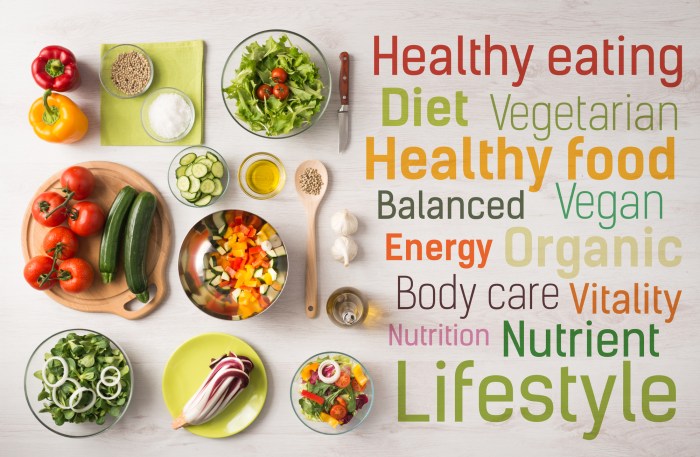
Healthy habits for women are paramount for overall well-being, encompassing physical, mental, and emotional health. This guide delves into crucial aspects of a healthy lifestyle tailored specifically to women’s unique needs across different life stages. From optimizing nutrition and incorporating regular exercise to managing stress and prioritizing mental wellness, we explore practical strategies and resources to empower women to live healthier, happier lives.
We’ll examine the importance of balanced nutrition, highlighting essential nutrients and providing sample meal plans. The benefits of various exercise types, along with practical workout schedules, will be discussed. Furthermore, we’ll address crucial aspects of sleep hygiene, stress management, and mental health support, offering actionable advice and valuable resources to navigate life’s challenges with resilience and self-care.
Nutrition for Women’s Health

Maintaining optimal nutrition is crucial for women throughout their lives, as nutritional needs vary significantly depending on age and life stage. A balanced diet rich in essential nutrients supports overall health, prevents disease, and ensures well-being at every stage. This section will explore the specific nutritional requirements for women at different life stages, along with practical strategies for achieving a healthy diet and adequate hydration.
Essential Nutrients Across Life Stages
The following table Artikels essential nutrients and their recommended daily allowances (RDAs) for women at various life stages. These are general guidelines, and individual needs may vary based on factors like activity level, overall health, and genetics. Consult a healthcare professional or registered dietitian for personalized dietary advice.
| Nutrient | Adolescence (14-18 years) | Pregnancy (18-45 years) | Menopause (45+ years) |
|---|---|---|---|
| Iron (mg) | 15 | 27 | 8 |
| Calcium (mg) | 1300 | 1000 | 1200 |
| Vitamin D (mcg) | 15 | 15 | 15 |
| Folate (mcg) | 400 | 600 | 400 |
| Protein (g) | 46 | 71 | 46 |
| Food Sources (Examples) | Lean meats, beans, leafy greens, fortified cereals | Dairy, leafy greens, legumes, prenatal vitamins | Dairy, leafy greens, fortified foods, supplements as needed |
Hydration and Fluid Intake
Adequate hydration is essential for numerous bodily functions, including temperature regulation, nutrient transport, and waste removal. Women, particularly during pregnancy and breastfeeding, require increased fluid intake. The recommended daily fluid intake is approximately 8 glasses of water (about 2 liters), but individual needs may vary depending on climate, activity level, and overall health. Practical tips for maintaining adequate hydration include carrying a reusable water bottle, setting reminders to drink water throughout the day, and incorporating hydrating foods like fruits and vegetables into the diet.
Sample Weekly Meal Plan for Active Women
This meal plan emphasizes whole foods, lean proteins, and healthy fats, providing a balanced nutritional intake for an active woman. Remember to adjust portion sizes to meet individual caloric needs.
| Day | Breakfast | Lunch | Dinner |
|---|---|---|---|
| Monday | Oatmeal with berries and nuts | Salad with grilled chicken or fish | Lentil soup with whole-wheat bread |
| Tuesday | Greek yogurt with fruit and granola | Leftover lentil soup | Salmon with roasted vegetables |
| Wednesday | Scrambled eggs with spinach and whole-wheat toast | Chicken salad sandwich on whole-wheat bread | Chicken stir-fry with brown rice |
| Thursday | Smoothie with fruits, vegetables, and protein powder | Leftover chicken stir-fry | Vegetarian chili with cornbread |
| Friday | Whole-wheat pancakes with fruit | Tuna salad with whole-wheat crackers | Pizza with whole-wheat crust and lots of vegetables |
| Saturday | Breakfast burrito with eggs, beans, and vegetables | Leftover pizza | Steak with sweet potato and asparagus |
| Sunday | French toast with fruit and syrup (in moderation) | Salad with grilled chicken or fish | Roast chicken with roasted potatoes and green beans |
Exercise and Physical Activity
Regular exercise is crucial for women’s overall health and well-being, contributing significantly to both physical and mental health. It helps manage weight, reduces the risk of chronic diseases, and boosts mood and energy levels. A balanced exercise routine should incorporate cardiovascular exercise, strength training, and flexibility exercises to achieve optimal benefits.Maintaining an active lifestyle offers numerous advantages. Physical activity improves cardiovascular health by strengthening the heart and lungs, leading to better blood circulation and reduced risk of heart disease and stroke.
Strength training builds muscle mass, increasing metabolism and bone density, thus protecting against osteoporosis and improving overall strength and functional fitness. Flexibility exercises, such as stretching and yoga, enhance range of motion, improve posture, and reduce the risk of injuries. These combined elements contribute to a healthier, more energetic, and more resilient life.
Types of Exercise and Their Benefits
The following list details various types of exercise beneficial for women’s health, categorized for clarity. Choosing activities that align with individual preferences and fitness levels is essential for long-term adherence.
- Cardiovascular Exercise: This type of exercise elevates the heart rate and improves cardiovascular health. Examples include brisk walking, jogging, swimming, cycling, and dancing. These activities improve heart and lung function, increase endurance, and contribute to weight management.
- Strength Training: This involves using weights or resistance to build muscle mass and strength. Examples include weightlifting, bodyweight exercises (push-ups, squats, lunges), and resistance band exercises. Strength training improves bone density, boosts metabolism, and enhances overall functional fitness.
- Flexibility Exercises: These exercises improve range of motion and flexibility. Examples include yoga, Pilates, stretching, and tai chi. These practices increase flexibility, improve posture, reduce muscle tension, and promote relaxation.
Workout Routines for Different Fitness Levels
Tailoring workout routines to individual fitness levels is vital for safety and effectiveness. Beginners should start slowly and gradually increase intensity and duration, while more advanced individuals can incorporate higher intensity and longer workouts.
- Beginner Routines: Focus on shorter durations and lower intensity. Begin with 2-3 sessions per week of 30-minute workouts, combining light cardio and bodyweight exercises. Prioritizing proper form over intensity is crucial at this stage to avoid injury.
- Intermediate Routines: Increase workout duration and intensity. Aim for 3-5 sessions per week, incorporating a mix of moderate-intensity cardio, strength training with weights or resistance bands, and flexibility exercises. Consider incorporating interval training to challenge fitness levels.
- Advanced Routines: Incorporate high-intensity interval training (HIIT), longer duration workouts, and more challenging strength training exercises. Advanced routines might include longer runs, weightlifting with heavier weights, and advanced yoga or Pilates classes. Regular monitoring of progress and rest days are crucial at this level.
Sample Beginner Workout Schedule
This schedule incorporates cardio and strength training suitable for beginners. Remember to consult with a healthcare professional before starting any new exercise program.
| Day | Workout | Duration |
|---|---|---|
| Monday | Brisk Walking/Jogging | 30 minutes |
| Tuesday | Bodyweight Strength Training (Squats, Push-ups, Lunges) | 20 minutes |
| Wednesday | Rest | – |
| Thursday | Cycling or Swimming | 30 minutes |
| Friday | Bodyweight Strength Training (Plank, Crunches, Bridges) | 20 minutes |
| Saturday | Yoga or Stretching | 20 minutes |
| Sunday | Rest | – |
Sleep Hygiene for Women
Sleep is fundamental to a woman’s overall health and well-being, impacting everything from mood and energy levels to hormone balance and immune function. Prioritizing sleep hygiene is not merely about getting enough hours; it’s about achieving restorative, high-quality sleep that allows the body and mind to fully repair and rejuvenate. Neglecting sleep can have serious consequences, affecting various aspects of a woman’s physical and mental health.Sleep deprivation, even in seemingly minor amounts, can lead to a cascade of negative effects.
For women, this can manifest as increased irritability and mood swings, worsened symptoms of premenstrual syndrome (PMS), decreased cognitive function impacting work performance and decision-making, a weakened immune system making them more susceptible to illness, and an increased risk of chronic health conditions like cardiovascular disease and type 2 diabetes. Furthermore, inadequate sleep can disrupt hormonal balance, impacting fertility and reproductive health.
Consequences of Sleep Deprivation in Women, Healthy habits for women
Insufficient sleep significantly impacts various physiological processes in women. For instance, sleep deprivation is associated with an increased risk of weight gain, as it disrupts the balance of hormones that regulate appetite and metabolism, leading to increased cravings for high-calorie foods. Additionally, lack of sleep can exacerbate existing conditions such as anxiety and depression, creating a vicious cycle of poor sleep and worsening mental health.
Studies have shown a correlation between chronic sleep deficiency and an increased risk of developing certain cancers. The impact on cognitive function is substantial, leading to reduced concentration, memory problems, and difficulty with problem-solving.
Improving Sleep Quality through Environmental Optimization
Creating a conducive sleep environment is crucial for promoting restful sleep. This involves optimizing factors like temperature, lighting, and noise levels. A slightly cool room (around 65 degrees Fahrenheit) is generally ideal for sleep. Darkness is essential; minimizing light exposure before bed, using blackout curtains or an eye mask, and avoiding screen time (phones, tablets, computers) for at least an hour before sleep can significantly improve sleep quality.
A quiet environment is also vital; consider using earplugs if necessary to block out disruptive noises. Finally, ensuring the bed is comfortable with appropriate bedding contributes significantly to sleep quality. A supportive mattress and pillows are essential.
Developing a Relaxing Bedtime Routine
Establishing a consistent and relaxing bedtime routine signals to the body that it’s time to wind down and prepare for sleep. This routine should be calming and individualized to personal preferences. Examples include taking a warm bath or shower, reading a book (physical, not digital), listening to calming music, practicing gentle yoga or stretching, or engaging in light meditation or mindfulness exercises.
Avoiding caffeine and alcohol in the hours leading up to bedtime is also crucial, as these substances can interfere with sleep. A consistent sleep schedule, even on weekends, helps regulate the body’s natural sleep-wake cycle, further enhancing sleep quality.
Designing a Personalized Sleep Schedule
Creating a personalized sleep schedule involves identifying individual sleep needs and aligning them with daily routines. Most adults require 7-9 hours of sleep per night. To determine personal sleep needs, track sleep patterns for a week or two, noting how much sleep is needed to feel rested and alert during the day. Once this baseline is established, create a realistic sleep schedule that accounts for work, social commitments, and personal time.
Consistency is key; aim to go to bed and wake up at roughly the same time each day, even on weekends, to maintain a regular sleep-wake cycle. If adjusting the sleep schedule, make gradual changes (15-30 minutes per day) to avoid disrupting the body’s natural rhythm.
Cultivating healthy habits is a journey, not a destination. By prioritizing nutrition, exercise, sleep, stress management, and mental well-being, women can significantly enhance their quality of life. This guide provides a foundational framework for building a healthier and more fulfilling life. Remember that seeking professional guidance when needed is a sign of strength, not weakness. Embrace self-care, prioritize your well-being, and embark on a path toward a healthier, happier you.
Query Resolution: Healthy Habits For Women
What are some quick and easy ways to incorporate more fruits and vegetables into my diet?
Add berries to your breakfast cereal, incorporate chopped vegetables into your omelets or sandwiches, or snack on baby carrots and hummus throughout the day.
How can I manage stress effectively without relying on unhealthy coping mechanisms?
Practice mindfulness techniques like deep breathing or meditation, engage in regular physical activity, and prioritize activities you enjoy to reduce stress levels.
Where can I find reliable information about mental health resources in my area?
Contact your primary care physician, search online for mental health organizations in your region, or utilize mental health helplines available 24/7.
How can I build stronger social connections to improve my mental well-being?
Join social clubs or groups aligned with your interests, actively participate in community events, and make a conscious effort to nurture existing relationships.


