Mens Health Screenings and Exams A Comprehensive Guide

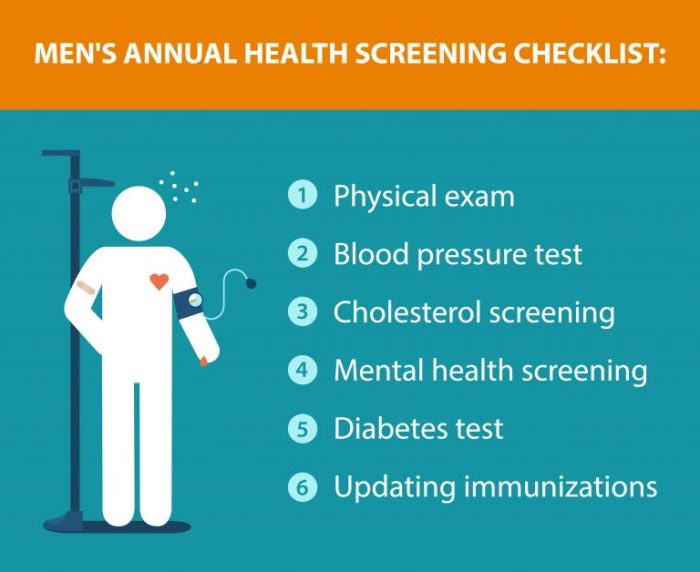
Men’s health screenings and exams are crucial for proactive healthcare. This guide explores the importance of preventative measures, common screenings for various age groups and risk factors, and addresses common barriers men face in accessing healthcare. We’ll delve into specific procedures, statistics on prevalent health concerns, and strategies for promoting better health literacy and encouraging regular check-ups. Ultimately, the goal is to empower men to take control of their wellbeing and live healthier, longer lives.
Understanding the specific health risks associated with different life stages is vital. From routine check-ups to more specialized screenings, we will examine the effectiveness of various methods and highlight the long-term benefits of early detection and intervention. We’ll also discuss strategies for overcoming common obstacles, such as societal expectations and time constraints, and offer practical advice for integrating preventative care into a busy lifestyle.
This includes addressing mental health concerns, such as stress, anxiety, and depression, with resources and coping mechanisms to support overall wellness.
Addressing Barriers to Men’s Healthcare
Men’s health often takes a backseat, resulting in lower rates of preventative care and later diagnoses of serious conditions. This disparity stems from a complex interplay of societal expectations, personal beliefs, and systemic challenges within the healthcare system itself. Understanding these barriers is crucial to developing effective strategies for improving men’s health outcomes.
Common Reasons for Avoiding Preventative Care
Several factors contribute to men’s reluctance to engage in preventative healthcare. Many men perceive themselves as invincible, leading to a belief that health issues won’t affect them. This is compounded by a societal expectation of stoicism and self-reliance, making vulnerability associated with seeking medical help seem weak. Furthermore, scheduling appointments and navigating the healthcare system can be perceived as inconvenient and time-consuming, particularly for men with busy work schedules or family commitments.
Fear of a negative diagnosis or the perceived invasiveness of certain procedures also contributes significantly to avoidance. Finally, a lack of health literacy, or understanding of health risks and preventative measures, further hinders proactive healthcare engagement.
Societal and Cultural Factors Influencing Men’s Healthcare Decisions
Traditional gender roles significantly influence men’s healthcare decisions. Societal expectations often pressure men to suppress emotions and display strength, making it difficult to admit health concerns or seek help. Masculinity is frequently associated with independence and self-sufficiency, leading many men to avoid seeking support, even when needed. Cultural norms also play a significant role, with some cultures emphasizing stoicism and minimizing the importance of preventative care.
These ingrained beliefs can make it challenging for men to prioritize their health, even in the face of clear risks. For instance, some cultural groups may have lower rates of prostate cancer screening due to a combination of factors including discomfort discussing intimate health issues and a lack of awareness about the benefits of early detection.
Strategies to Encourage Men to Prioritize Their Health
Encouraging men to prioritize their health requires a multifaceted approach. Public health campaigns can effectively address misconceptions about masculinity and health. These campaigns should promote the idea that seeking preventative care is a sign of strength, not weakness. Making healthcare more accessible, including convenient appointment scheduling and telehealth options, can reduce barriers to access. Furthermore, incorporating health information into everyday settings, such as workplaces and community centers, can normalize health discussions and promote proactive health behaviors.
Peer support groups can provide a safe space for men to share experiences and encourage each other to seek care. Finally, educational initiatives focusing on health literacy can equip men with the knowledge and understanding necessary to make informed decisions about their health. For example, workplace wellness programs incorporating health screenings and educational workshops have proven effective in increasing participation rates in preventative care.
Public Awareness Campaign to Improve Men’s Health Literacy
A successful public awareness campaign should leverage multiple media channels to reach diverse male populations. This could include television and radio advertisements featuring relatable male figures discussing their experiences with preventative care. Social media campaigns using engaging content, such as short videos and infographics, can disseminate information in an accessible format. Partnerships with men’s organizations and community groups can ensure targeted outreach to specific populations.
The campaign’s messaging should focus on dispelling myths about masculinity and health, promoting early detection and prevention, and highlighting the benefits of regular health screenings. For example, a campaign featuring real-life stories of men who benefited from early detection of prostate cancer could resonate strongly with target audiences.
Role of Healthcare Providers in Addressing Men’s Healthcare Needs
Healthcare providers have a crucial role in addressing men’s healthcare needs. They should create a welcoming and non-judgmental environment where men feel comfortable discussing their concerns. Providers should actively engage in conversations about preventative care and address any misconceptions or fears men may have. Tailoring communication styles to resonate with individual patients is essential, acknowledging the diverse backgrounds and experiences of men.
Furthermore, healthcare providers can play a vital role in advocating for policies and programs that improve access to men’s health services. For instance, proactively scheduling preventative screenings and incorporating health promotion messages into routine visits can significantly improve engagement. Training healthcare providers on culturally sensitive communication strategies can further enhance their ability to effectively engage with diverse male populations.
Stress and Anxiety Management for Men
Men often face unique pressures in today’s society, leading to higher rates of stress and anxiety than sometimes acknowledged. Addressing these challenges proactively is crucial for overall well-being and a healthier, more fulfilling life. This section explores practical strategies for managing stress and anxiety, promoting mental and physical health.
Effective Coping Mechanisms for Stress and Anxiety
Several coping mechanisms can significantly reduce stress and anxiety levels. These strategies help individuals regain control and manage overwhelming feelings. It’s important to find what works best for you, experimenting with different techniques until you find a suitable combination.
Benefits of Mindfulness and Meditation Techniques
Mindfulness and meditation practices offer powerful tools for managing stress and anxiety. These techniques involve focusing on the present moment without judgment, reducing overthinking and worry about the future or rumination on the past. Regular practice can lead to improved emotional regulation, increased self-awareness, and a greater sense of calm. Studies have shown that mindfulness-based stress reduction (MBSR) programs can be particularly effective in reducing symptoms of anxiety and depression.
For example, a study published in JAMA Internal Medicine demonstrated significant reductions in stress and anxiety among participants who completed an 8-week MBSR program.
Relaxation Exercises for Daily Routines
Incorporating relaxation exercises into daily routines is a simple yet effective way to manage stress. These exercises can help to calm the nervous system and promote a sense of well-being.
- Deep Breathing: Practicing deep, slow breaths several times a day can significantly reduce stress responses. Focus on inhaling deeply into your abdomen, holding for a few seconds, and exhaling slowly. This technique activates the parasympathetic nervous system, promoting relaxation.
- Progressive Muscle Relaxation: This technique involves systematically tensing and releasing different muscle groups in the body. Starting with your toes and working your way up, tense each muscle group for a few seconds, then release, noticing the difference in tension. This helps to release physical tension associated with stress.
- Guided Imagery: Creating a mental image of a peaceful and calming scene can reduce stress and promote relaxation. This could involve imagining a relaxing beach, a quiet forest, or any other calming environment.
The Role of Exercise and Physical Activity in Stress Reduction
Regular physical activity plays a crucial role in stress reduction. Exercise releases endorphins, which have mood-boosting effects. Even moderate exercise, such as a brisk walk, can significantly reduce stress hormones and improve overall mood. Activities like weightlifting, yoga, and team sports can also be beneficial, offering both physical and social benefits. For instance, a 30-minute brisk walk most days of the week can significantly improve mood and reduce stress levels in most individuals.
Resources for Stress and Anxiety Management
Numerous resources are available to help men manage stress and anxiety. These resources provide support, guidance, and practical tools for coping with these challenges.
- Mental health professionals: Therapists, counselors, and psychiatrists can provide individual therapy, group therapy, and medication management as needed.
- Support groups: Connecting with others who share similar experiences can provide valuable support and reduce feelings of isolation.
- Online resources: Many websites and apps offer mindfulness exercises, relaxation techniques, and information on stress management.
- Employee Assistance Programs (EAPs): Many employers offer EAPs, which provide confidential counseling and other support services.
Depression Support Resources for Men
Men often face unique challenges in seeking help for depression, sometimes due to societal expectations of stoicism and self-reliance. Understanding the signs, accessing support, and employing effective treatment strategies are crucial for improving mental well-being. This section provides information on recognizing depression in men, the benefits of early intervention, available resources, treatment options, and building a supportive network.
Signs and Symptoms of Depression in Men
Depression in men doesn’t always manifest in the same way as in women. While sadness and hopelessness are common, men may experience symptoms differently, often presenting with irritability, anger, recklessness, or substance abuse. Physical symptoms like fatigue, sleep disturbances, and changes in appetite are also prevalent. It’s important to note that these symptoms can be easily overlooked or attributed to other causes, delaying diagnosis and treatment.
The persistent presence of several of these symptoms warrants professional evaluation.
Importance of Early Intervention for Depression
Early intervention is critical in managing depression. Untreated depression can lead to a worsening of symptoms, impacting various aspects of life, including relationships, work, and overall physical health. Early diagnosis allows for prompt treatment, potentially preventing the development of more severe symptoms and reducing the duration and intensity of the depressive episode. Moreover, early intervention can help prevent the development of chronic depression and other mental health complications.
For example, a man experiencing mild depressive symptoms who seeks help early might be successfully treated with therapy alone, preventing the need for medication.
Support Groups and Organizations Dedicated to Men’s Mental Health
Several organizations offer invaluable support for men struggling with depression. These groups provide a safe space to share experiences, learn coping mechanisms, and connect with others facing similar challenges. Examples include the Movember Foundation, which focuses on men’s health issues including mental health, and the American Foundation for Suicide Prevention (AFSP), which offers resources and support for individuals and families affected by suicide.
Many local mental health organizations also provide support groups specifically for men. Finding a group with a focus on men’s specific experiences can be particularly beneficial.
Therapeutic Approaches for Treating Depression
Treatment for depression typically involves a combination of therapeutic approaches. Psychotherapy, such as cognitive behavioral therapy (CBT) and interpersonal therapy (IPT), helps individuals identify and change negative thought patterns and behaviors contributing to depression. Medication, such as antidepressants, can be prescribed to help regulate brain chemistry and alleviate symptoms. Lifestyle changes, including regular exercise, a balanced diet, and sufficient sleep, are also important components of a comprehensive treatment plan.
For example, CBT can help a man identify and challenge his negative thoughts about his job performance, while medication might help reduce feelings of hopelessness and fatigue.
Strategies for Building a Supportive Network for Men Experiencing Depression
Building a strong support network is crucial for men facing depression. This may involve seeking help from family and friends, joining support groups, or working with a therapist. Open communication is key – encouraging men to talk about their feelings and experiences without judgment is vital. It is important to be patient and understanding, recognizing that recovery takes time and effort.
A supportive network provides a sense of belonging and validation, promoting healing and reducing feelings of isolation. For instance, a friend regularly checking in on a struggling friend, or a family member offering practical support, can significantly impact the recovery process.
Mental Health Advocacy and Awareness
Raising awareness about men’s mental health is crucial for reducing stigma, encouraging help-seeking behavior, and ultimately saving lives. Many men struggle silently with mental health issues, often due to societal pressures that discourage vulnerability and emotional expression. Addressing this requires a multifaceted approach that tackles both the systemic barriers and the individual challenges men face.The importance of promoting men’s mental health stems from the significant disparity in help-seeking behavior and the often-devastating consequences of untreated mental illness.
Men are less likely to seek professional help compared to women, leading to delayed diagnosis and treatment, and increased risk of suicide. This disparity is driven by deeply ingrained societal norms that associate masculinity with stoicism and self-reliance, often stigmatizing emotional vulnerability.
Challenges in Promoting Men’s Mental Health
Several significant obstacles hinder effective promotion of men’s mental health. These include deeply rooted societal norms that equate masculinity with emotional suppression and stoicism. This creates a culture where men feel pressured to hide their struggles, fearing judgment or ridicule. Furthermore, the lack of culturally sensitive and accessible resources specifically tailored to men’s needs exacerbates the problem.
Finally, the limited awareness and understanding of mental health issues among healthcare providers themselves can contribute to inadequate diagnosis and treatment. The lack of targeted campaigns and initiatives also plays a role.
Strategies for Advocating for Improved Mental Health Services
Advocating for improved mental health services requires a multi-pronged strategy. This involves lobbying for increased funding for men’s mental health programs and initiatives. It also includes advocating for the development of culturally appropriate and accessible resources, such as support groups specifically designed for men. Furthermore, educating healthcare professionals about the unique challenges faced by men with mental health issues is vital to ensure appropriate and timely interventions.
Finally, promoting policies that support mental health in the workplace, such as flexible work arrangements and mental health leave, can significantly improve access to care.
Social Media Campaign to Raise Awareness, Men’s health screenings and exams
A social media campaign focused on men’s mental health could utilize powerful visuals and testimonials to break down stigma. For example, a series of short videos featuring real men sharing their stories of overcoming mental health challenges could resonate strongly. The campaign hashtag could be something memorable and easily shared, like #MensMentalHealthMatters or #TalkAboutIt. The campaign would leverage platforms like Instagram, Twitter, and Facebook, using a mix of image-based posts, videos, and infographics to reach a broad audience.
Partnerships with male influencers and celebrities could also significantly amplify the message and reach. This multi-platform approach is crucial for maximum visibility and engagement.
The Role of Community Involvement in Mental Health Advocacy
Community involvement is critical in creating a supportive environment for men’s mental health. Community-based initiatives, such as support groups and peer-to-peer programs, can provide a safe and accessible space for men to connect, share their experiences, and receive support. Community leaders, such as religious leaders, sports figures, and community organizers, can play a significant role in normalizing conversations about mental health and reducing stigma.
By fostering a sense of community and belonging, these initiatives can empower men to seek help and promote their overall well-being. Local events and workshops focusing on men’s mental health can also increase awareness and understanding within the community.
Therapy and Counseling Options for Men: Men’s Health Screenings And Exams
Seeking professional help for mental health concerns is a sign of strength, not weakness. Many effective therapy options are available to men, each offering unique approaches to address a wide range of challenges. Choosing the right type of therapy depends on individual needs and preferences.Therapy can provide a safe and confidential space to explore thoughts, feelings, and behaviors, leading to improved mental well-being and healthier coping mechanisms.
However, it’s important to understand that therapy isn’t a quick fix, and commitment and active participation are crucial for success.
Cognitive Behavioral Therapy (CBT)
Cognitive Behavioral Therapy focuses on identifying and changing negative thought patterns and behaviors that contribute to mental health issues. CBT helps men understand how their thoughts influence their feelings and actions, providing tools to challenge unhelpful thinking styles and develop more adaptive coping strategies. For example, a man struggling with anxiety might learn to identify and reframe catastrophic thinking (“This presentation will be a disaster”) into more realistic and manageable thoughts (“I’ve prepared well, and I can handle any unexpected challenges”).
A limitation of CBT is that it may require significant self-reflection and effort from the individual to implement the learned techniques effectively. It may also not be as effective for individuals with severe mental illnesses or complex trauma.
Psychotherapy
Psychotherapy encompasses a broad range of talk therapies, including psychodynamic therapy, humanistic therapy, and interpersonal therapy. These approaches explore the underlying causes of emotional distress, often examining past experiences and relationships to understand present-day challenges. Psychodynamic therapy, for instance, delves into unconscious patterns and motivations, while humanistic therapy emphasizes self-acceptance and personal growth. The benefits of psychotherapy include gaining a deeper understanding of oneself and developing stronger self-awareness.
However, psychotherapy can be a long-term process, requiring significant time and commitment. It might not be the most suitable approach for individuals seeking quick solutions to specific problems.
Finding Qualified Mental Health Professionals
Locating a qualified therapist is a crucial step in the process. Several resources can assist in this search. Many insurance providers maintain directories of in-network mental health professionals. Online platforms, such as Psychology Today’s therapist finder, allow users to search for therapists based on location, specialization, and insurance coverage. Additionally, recommendations from primary care physicians or trusted individuals can be valuable.
It is important to verify the therapist’s credentials and licensing before scheduling an appointment.
The Importance of Therapist-Client Rapport
Building a strong therapeutic relationship is essential for successful therapy. A comfortable and trusting relationship allows for open communication and vulnerability, which are crucial for progress. If a man feels uncomfortable or doesn’t connect with a therapist, it’s perfectly acceptable to seek a different professional. Finding the right fit can significantly impact the effectiveness of therapy.
Preparing for a Therapy Session
Preparing for a first therapy session can alleviate anxiety. Consider jotting down any specific concerns or questions beforehand. Reflecting on the reasons for seeking therapy can also be helpful. Arriving a few minutes early allows for settling in before the session begins. Remember that the therapist is there to listen and provide support; there’s no need to feel pressured to share everything at once.
Building Resilience and Coping Skills
Resilience is the ability to bounce back from adversity, stress, and trauma. It’s not about avoiding hardship, but about developing the mental and emotional strength to navigate challenges and emerge stronger. A strong sense of resilience is crucial for overall mental wellbeing, contributing to improved emotional regulation, reduced stress levels, and a greater sense of self-efficacy.Resilience isn’t an innate trait; it’s a skill that can be learned and strengthened over time.
By actively developing coping mechanisms and adopting a positive mindset, individuals can significantly improve their ability to handle life’s inevitable setbacks. This involves understanding one’s strengths, developing healthy coping strategies, and fostering supportive relationships.
Strategies for Building Resilience
Building resilience requires a multifaceted approach. It involves consciously adopting behaviors and thought patterns that promote mental and emotional strength. This includes proactively managing stress, cultivating positive relationships, and maintaining a healthy lifestyle. Regular exercise, a balanced diet, and sufficient sleep are fundamental building blocks of resilience.
Managing Difficult Emotions and Situations
Effective emotion regulation is a cornerstone of resilience. This involves acknowledging and accepting difficult emotions without judgment, rather than trying to suppress or ignore them. Techniques such as mindfulness, deep breathing exercises, and progressive muscle relaxation can help manage overwhelming feelings. Problem-solving skills are also crucial; breaking down complex challenges into smaller, manageable steps can reduce feelings of being overwhelmed.
Seeking support from trusted friends, family, or professionals is also a vital coping mechanism.
Developing a Positive Mindset
A positive mindset doesn’t mean ignoring negative experiences; rather, it involves reframing challenges and focusing on solutions. Practicing gratitude, focusing on strengths, and celebrating small victories can cultivate optimism. Cognitive reframing, a technique that involves identifying and challenging negative thought patterns, can significantly impact emotional wellbeing. For example, instead of dwelling on a failure, one can focus on lessons learned and future opportunities.
Creating a Personalized Resilience Plan
A personalized resilience plan is a proactive strategy for managing life’s challenges. It should include identifying personal stressors, developing specific coping mechanisms, and establishing a support network. The plan should also incorporate regular self-care practices, such as exercise, mindfulness, and healthy eating. It’s important to regularly review and adjust the plan as needed, acknowledging that life’s challenges evolve.
For instance, a plan might include scheduling regular meditation sessions, identifying a trusted friend to confide in, or establishing a routine for physical activity. Regularly reviewing and updating this plan allows for flexibility and adaptation as life circumstances change.
Sleep and Mental Health in Men
Maintaining good sleep hygiene is crucial for overall well-being, and its impact on men’s mental health is particularly significant. A strong correlation exists between quality sleep and mental health, with insufficient or poor-quality sleep often exacerbating symptoms of various mental health conditions. Conversely, addressing sleep problems can contribute positively to mental health outcomes.Sleep quality significantly influences mood regulation, cognitive function, and stress response.
Men experiencing sleep disturbances may find themselves more susceptible to anxiety, depression, and irritability. Conversely, consistent, restful sleep can improve emotional resilience and cognitive performance, leading to better management of stress and improved mental clarity.
Common Sleep Disorders Affecting Men
Several sleep disorders disproportionately affect men, contributing to poorer mental health. These conditions often go undiagnosed and untreated, perpetuating a cycle of poor sleep and mental distress. Understanding these disorders is a crucial first step towards seeking appropriate help.
Insomnia
Insomnia, characterized by difficulty falling asleep, staying asleep, or experiencing non-restorative sleep, is a prevalent sleep disorder affecting men of all ages. The chronic nature of insomnia can significantly impact mood, increasing the risk of anxiety and depression. Men with insomnia often report increased irritability, difficulty concentrating, and reduced overall energy levels, directly affecting their work, relationships, and daily functioning.
Sleep Apnea
Sleep apnea, a condition where breathing repeatedly stops and starts during sleep, is more common in men than women. Obstructive sleep apnea, the most frequent type, occurs when the airway becomes blocked during sleep. The resulting fragmented sleep leads to daytime sleepiness, fatigue, and impaired cognitive function. Untreated sleep apnea can also contribute to increased risk of cardiovascular disease, further impacting overall health and mental well-being.
The chronic fatigue and cognitive impairment associated with sleep apnea can exacerbate feelings of anxiety and depression.
Restless Legs Syndrome (RLS)
Restless legs syndrome (RLS) is a neurological disorder characterized by an irresistible urge to move the legs, often accompanied by uncomfortable sensations. The constant need to move can severely disrupt sleep, leading to sleep deprivation and its associated mental health consequences. Men with RLS often report difficulty relaxing and falling asleep, leading to increased levels of frustration and irritability.
The chronic nature of the condition can also contribute to feelings of anxiety and depression.
Tips for Improving Sleep Hygiene
Establishing and maintaining good sleep hygiene practices is fundamental to improving sleep quality and mental health. These practices create a conducive environment for restful sleep and help regulate the body’s natural sleep-wake cycle.
Creating a Relaxing Bedtime Routine
Developing a consistent and relaxing bedtime routine is crucial for signaling to the body that it’s time to wind down and prepare for sleep. This routine should be personalized to individual preferences and should be followed consistently, even on weekends. A calming routine can include activities such as taking a warm bath, reading a book, listening to calming music, or practicing gentle stretching exercises.
Avoiding screen time at least an hour before bed is essential to minimize exposure to blue light, which can interfere with melatonin production.
Impact of Sleep Deprivation on Mental Wellbeing
Sleep deprivation significantly impacts mental well-being, affecting mood, cognitive function, and emotional regulation. Chronic sleep deprivation can increase vulnerability to mental health issues, exacerbating symptoms of pre-existing conditions or even triggering new ones. The consequences of sleep loss can manifest as increased irritability, difficulty concentrating, impaired judgment, and heightened emotional reactivity. In severe cases, prolonged sleep deprivation can contribute to the development or worsening of anxiety, depression, and even psychosis.
For example, a study published in the journal “Sleep” found a significant correlation between insufficient sleep and increased risk of depression in adults.
Workplace Mental Health Support
Prioritizing mental health in the workplace is no longer a perk; it’s a necessity for fostering a productive, engaged, and healthy workforce. A supportive environment directly impacts employee well-being, reducing absenteeism, boosting productivity, and strengthening company culture. Investing in workplace mental health programs demonstrates a commitment to employee value and contributes significantly to the overall success of the organization.Creating a supportive work environment requires a multi-faceted approach.
It’s not simply about offering resources; it’s about cultivating a culture of understanding, empathy, and open communication. This includes actively promoting mental health awareness, reducing workplace stressors, and providing readily accessible support systems.
Strategies for Creating a Supportive Work Environment
Implementing effective strategies requires a comprehensive understanding of employee needs and a commitment to fostering a culture of open communication and support. This involves training managers and employees on mental health awareness, creating clear policies regarding mental health leave, and providing confidential access to mental health resources. Furthermore, actively promoting work-life balance, encouraging breaks, and establishing reasonable workloads are crucial for preventing burnout and fostering a healthy work environment.
Resources Available for Employees Struggling with Mental Health Issues
Several resources can significantly benefit employees facing mental health challenges. These include Employee Assistance Programs (EAPs), which typically offer confidential counseling, stress management resources, and referrals to mental health professionals. Many organizations also provide access to online mental health platforms, offering self-help tools, guided meditations, and access to licensed therapists through telehealth. Additionally, some companies offer mental health workshops and training sessions focusing on stress management, resilience building, and mindfulness techniques.
The availability and specifics of these resources vary widely based on the employer and the employee’s health insurance plan.
The Role of Employers in Promoting Employee Wellbeing
Employers play a pivotal role in fostering a healthy and supportive work environment. This extends beyond simply offering resources; it involves actively creating a culture that normalizes seeking help and reduces stigma surrounding mental health. This can be achieved through leadership training that emphasizes empathy and understanding, implementing flexible work arrangements where appropriate, and actively promoting open communication about mental health.
Regularly assessing employee well-being through surveys and feedback mechanisms allows employers to identify areas for improvement and adapt their support strategies accordingly. Ultimately, a proactive approach to employee wellbeing demonstrates a commitment to valuing employees’ holistic health, leading to a more engaged, productive, and satisfied workforce.
Examples of Effective Workplace Mental Health Initiatives
Several companies have successfully implemented innovative mental health initiatives. For example, some organizations offer generous mental health leave policies, exceeding the minimum legal requirements, demonstrating a commitment to employee well-being. Others have successfully implemented mindfulness programs, incorporating meditation sessions or mindfulness training into the workday, promoting stress reduction and improved focus. Furthermore, some companies have established peer support networks, allowing employees to connect with colleagues who understand their experiences and provide mutual support.
These examples showcase the diverse approaches companies are taking to prioritize and support their employees’ mental health, ultimately contributing to a more positive and productive work environment.
Overcoming Addictions in Men
Men face unique challenges in addressing addiction, often influenced by societal expectations and ingrained masculinity norms. Understanding these challenges is crucial for effective intervention and support. This section explores common addictions, their impact, available resources, the importance of support systems, and strategies for preventing relapse.
Common Addictions Affecting Men
Substance use disorders are prevalent among men, with alcohol, nicotine, and opioids being particularly common. Gambling addiction, also known as compulsive gambling, is another significant issue, impacting financial stability and relationships. Additionally, men may struggle with process addictions, such as sex addiction or internet gaming disorder, which can have equally devastating consequences. These addictions often intersect, meaning a man might struggle with multiple addictions simultaneously.
For instance, someone with alcohol addiction might also be a compulsive gambler.
Impact of Addiction on Mental and Physical Health
Addiction significantly impacts both mental and physical well-being. The mental health consequences include depression, anxiety, increased risk of suicide, and difficulty maintaining healthy relationships. Physically, addiction can lead to organ damage (liver cirrhosis from alcohol abuse, for example), cardiovascular problems, weakened immune system, and increased susceptibility to various illnesses. The long-term effects can be severe and life-threatening.
For instance, untreated opioid addiction can lead to overdose and death.
Resources for Addiction Treatment and Recovery
Numerous resources are available for men seeking addiction treatment and recovery. These include inpatient and outpatient rehabilitation programs, support groups like Alcoholics Anonymous (AA) and Narcotics Anonymous (NA), individual and group therapy, medication-assisted treatment (MAT), and holistic approaches such as mindfulness and yoga. Many healthcare providers, hospitals, and community organizations offer these services. Online resources and helplines also provide crucial information and support.
Importance of Support Systems in Overcoming Addiction
A strong support system is vital for successful recovery. This can include family, friends, support groups, and therapists. Supportive relationships provide encouragement, accountability, and a sense of belonging, crucial elements in navigating the challenges of recovery. For instance, a supportive spouse or family member can help manage daily stressors, reducing the likelihood of relapse. Conversely, a lack of support can significantly hinder the recovery process.
Strategies for Preventing Relapse
Relapse prevention is a continuous process requiring proactive strategies. These include developing coping mechanisms for stress and triggers, attending regular therapy sessions, actively participating in support groups, maintaining a healthy lifestyle, and avoiding high-risk situations or people. Building a strong support network, engaging in hobbies and activities that promote well-being, and practicing mindfulness techniques are all essential parts of a relapse prevention plan.
Regular check-ins with healthcare providers and therapists can help monitor progress and address any emerging challenges promptly.
Taking proactive steps towards men’s health is an investment in a longer, healthier, and more fulfilling life. By understanding the importance of regular screenings, addressing potential barriers to care, and prioritizing mental and physical wellbeing, men can significantly improve their quality of life. This guide serves as a starting point for a journey towards better health, encouraging open communication with healthcare providers and the adoption of healthy habits for sustained wellbeing.
Frequently Asked Questions
What is the recommended age to begin prostate screenings?
The recommended age to begin prostate cancer screenings varies depending on risk factors, but discussions with a doctor should begin around age 50 for average-risk men, and earlier for those with a family history.
How often should I perform a testicular self-exam?
It’s recommended to perform a testicular self-exam monthly, ideally after a warm shower when the scrotum is relaxed.
Are there any specific dietary recommendations to support men’s health?
A balanced diet rich in fruits, vegetables, whole grains, and lean protein is essential. Limiting processed foods, red meat, and saturated fats is also beneficial.
What are the signs of depression in men?
Signs can include persistent sadness, loss of interest in activities, fatigue, irritability, changes in sleep or appetite, and feelings of hopelessness. It’s important to note that men may express depression differently than women.


