Preventing Childhood Diseases A Comprehensive Guide

Preventing childhood diseases is crucial for a child’s healthy development and future well-being. This comprehensive guide explores various strategies to protect children from preventable illnesses, focusing on vaccination, hygiene, nutrition, early detection, and environmental factors. We will delve into the importance of proactive measures, addressing common parental concerns and providing practical advice for maintaining a healthy environment for children to thrive.
From understanding vaccination schedules and the benefits of different vaccine types to implementing effective hygiene practices at home and school, we cover a wide range of topics. We also address the crucial role of nutrition in bolstering a child’s immune system and the importance of early detection and prompt medical intervention when necessary. By understanding these factors, parents and caregivers can play a vital role in protecting children from the debilitating effects of preventable diseases.
Vaccination and Immunization
Vaccines are one of the most effective and cost-efficient public health interventions ever developed. They have dramatically reduced the incidence of many life-threatening diseases in children, leading to significant improvements in child health and survival rates globally. Understanding the importance of timely vaccination, the various vaccine types, and how to address parental concerns is crucial for maximizing the benefits of these preventative measures.
Timely vaccination according to recommended schedules is critical for building robust immunity against various diseases. This is because a child’s immune system develops gradually, and the timing of vaccinations is designed to coincide with periods of optimal immune response. Delaying vaccinations increases the risk of exposure to infectious diseases before the child’s immune system is fully equipped to fight them off.
Furthermore, maintaining a consistent vaccination schedule ensures herd immunity within communities, protecting those who cannot be vaccinated for medical reasons.
Vaccine Types and Effectiveness
Different types of vaccines utilize various methods to stimulate an immune response. Live-attenuated vaccines use weakened versions of the virus or bacteria to trigger immunity. Inactivated vaccines use killed versions of the pathogen, offering a safer option for individuals with compromised immune systems. Subunit, recombinant, polysaccharide, and conjugate vaccines utilize specific components of the pathogen (like proteins or sugars) to elicit an immune response.
The effectiveness of each vaccine type varies depending on the specific disease and the individual’s immune response. Generally, live-attenuated vaccines tend to provide longer-lasting immunity than inactivated vaccines, but carry a slightly higher risk of mild side effects. However, all vaccines undergo rigorous testing to ensure their safety and efficacy.
Addressing Parental Concerns and Vaccine Hesitancy
Vaccine hesitancy stems from various sources, including misinformation, fear of side effects, and distrust in healthcare systems. Addressing these concerns requires a multifaceted approach involving clear and transparent communication, providing evidence-based information, and building trust between healthcare providers and parents. Sharing personal stories from parents who have successfully vaccinated their children can be particularly effective. Collaborating with community leaders and influencers to spread accurate information can also help counter misinformation campaigns.
Furthermore, providing easily accessible and reliable resources about vaccines can empower parents to make informed decisions.
Infographic: Benefits of Vaccination
The following table provides a snapshot of common childhood vaccines, the diseases they prevent, recommended ages for administration, and potential side effects. Remember that this is not an exhaustive list, and individual experiences may vary. Always consult with a healthcare professional for personalized advice.
| Vaccine Name | Disease Prevented | Recommended Age | Potential Side Effects |
|---|---|---|---|
| DTaP | Diphtheria, Tetanus, Pertussis | 2, 4, 6, and 15-18 months; 4-6 years | Pain, redness, swelling at injection site; fever, fussiness |
| Hib | Haemophilus influenzae type b | 2, 4, 6, and 12-15 months | Pain, redness, swelling at injection site; fever |
| HepB | Hepatitis B | Birth, 1-2 months, 6-18 months | Pain, redness, swelling at injection site |
| IPV | Polio | 2, 4, and 6-18 months; 4-6 years | Pain, redness, swelling at injection site |
| MMR | Measles, Mumps, Rubella | 12-15 months; 4-6 years | Mild fever, rash, joint pain (rare) |
| Varicella | Chickenpox | 12-15 months; 4-6 years | Mild fever, rash |
| PCV13 | Pneumococcal disease | 2, 4, 6, and 12-15 months | Pain, redness, swelling at injection site; fever |
| RV | Rotavirus | 2 and 4 months | Diarrhea, vomiting |
Hygiene Practices
Maintaining good hygiene is crucial in preventing the spread of childhood diseases. Simple yet effective practices significantly reduce the transmission of infectious agents, protecting children and contributing to a healthier environment in homes, schools, and childcare settings. These practices are particularly important in preventing the spread of diseases like influenza, the common cold, and various gastrointestinal illnesses.
Handwashing, sanitation, and overall hygiene play a vital role in breaking the chain of infection. Infectious agents, such as bacteria and viruses, are easily spread through direct contact with contaminated surfaces or individuals. Proper hygiene measures drastically reduce the likelihood of these agents reaching vulnerable populations, especially young children whose immune systems are still developing.
Effective Handwashing Techniques
Thorough handwashing is the single most effective way to prevent the spread of many infectious diseases. The process involves more than just a quick rinse; it requires a specific technique and sufficient time to be truly effective. Effective handwashing removes germs, reducing the risk of infection and illness. The Centers for Disease Control and Prevention (CDC) recommends a specific process.
A step-by-step guide includes wetting hands with clean, running water, applying soap, lathering thoroughly for at least 20 seconds (the time it takes to sing “Happy Birthday” twice), scrubbing between fingers and under nails, rinsing well under running water, and drying with a clean towel or air dryer. This process effectively removes germs and reduces transmission rates.
Hygiene Practices in Childcare Settings and Schools
Maintaining proper hygiene in childcare and school environments requires a multi-faceted approach involving consistent implementation of several key practices. Regular cleaning and disinfection of surfaces, particularly high-touch areas like doorknobs, tables, and toys, is essential. Hand hygiene stations should be readily accessible, well-stocked with soap and clean towels or hand dryers, and strategically placed throughout the facility.
A step-by-step guide for maintaining proper hygiene in these settings would include: 1. Regular handwashing by staff and children after using the restroom, before meals, and after playing outdoors. 2. Frequent cleaning and disinfection of surfaces using appropriate disinfectants. 3.
Proper waste disposal and management to prevent the spread of pathogens. 4. Regular cleaning of toys and shared materials. 5. Educating children and staff about proper hygiene practices.
6. Prompt attention to any signs of illness, with immediate isolation and notification of parents or guardians. This comprehensive approach contributes to a healthier and safer environment for all.
Essential Hygiene Supplies and Their Appropriate Use
Providing and properly utilizing essential hygiene supplies is crucial for maintaining optimal hygiene standards. The selection and placement of these supplies are as important as their usage.
- Soap: Liquid soap is preferred over bar soap to minimize the spread of germs. Soap should be readily available in all restrooms and handwashing stations.
- Running Water: Access to clean, running water is essential for effective handwashing. Handwashing stations should be equipped with functioning faucets and drains.
- Paper Towels or Hand Dryers: Clean, disposable paper towels or hand dryers are necessary for drying hands after washing. Paper towels help prevent recontamination.
- Disinfectants: Appropriate disinfectants should be used for cleaning and disinfecting surfaces. The choice of disinfectant should be based on the type of surface and the types of germs to be eliminated.
- Waste Receptacles: Properly sized and conveniently located waste receptacles are essential for hygienic waste disposal. Lined receptacles prevent spills and facilitate easy disposal.
Nutrition and Healthy Diet
A child’s diet plays a crucial role in their overall health and development, significantly impacting their immune system’s ability to fight off diseases. Proper nutrition provides the building blocks necessary for a strong immune response, reducing susceptibility to infections and illnesses. A well-balanced diet fuels the body’s natural defense mechanisms, allowing children to thrive.Adequate nutrition is essential for optimal immune function.
Several key nutrients directly contribute to a child’s resistance to common childhood illnesses.
Key Nutrients Supporting Immune Function
The immune system relies on a variety of vitamins and minerals to function effectively. These nutrients are vital for the production and activity of immune cells, enabling the body to identify and neutralize pathogens. Deficiencies in these nutrients can weaken the immune system, increasing vulnerability to infections.
- Vitamin A: Essential for the growth and development of immune cells. Good sources include sweet potatoes, carrots, and spinach.
- Vitamin C: A powerful antioxidant that protects cells from damage and supports immune cell function. Citrus fruits, berries, and bell peppers are rich in Vitamin C.
- Vitamin D: Plays a crucial role in regulating immune responses and reducing inflammation. Fatty fish, egg yolks, and fortified foods are good sources. Sunlight exposure also contributes to Vitamin D production.
- Zinc: Important for cell growth and immune cell function. Found in red meat, poultry, beans, and nuts.
- Iron: Essential for oxygen transport throughout the body, crucial for immune cell function. Red meat, spinach, and lentils are good sources.
Healthy Meal Plans for Children
Creating age-appropriate meal plans is key to ensuring children receive the necessary nutrients for growth and immune support. Portion sizes should be adjusted according to the child’s age and activity level.
Example Meal Plan for a Toddler (1-3 years):
- Breakfast: Oatmeal with berries and a sprinkle of nuts.
- Lunch: Whole-wheat sandwich with hummus and sliced vegetables.
- Dinner: Chicken stir-fry with brown rice and a variety of colorful vegetables.
- Snacks: Fruits (banana, apple slices), yogurt, whole-grain crackers.
Example Meal Plan for a School-Aged Child (6-12 years):
- Breakfast: Scrambled eggs with whole-wheat toast and avocado.
- Lunch: Leftovers from dinner or a whole-wheat wrap with lean protein (turkey, chicken) and vegetables.
- Dinner: Baked salmon with roasted vegetables (broccoli, carrots, sweet potatoes).
- Snacks: Trail mix (nuts, seeds, dried fruit), fruit smoothie, whole-grain pretzels.
Incorporating Fruits, Vegetables, and Whole Grains
Fruits, vegetables, and whole grains form the foundation of a healthy diet for children. They are packed with essential vitamins, minerals, and fiber, promoting healthy digestion and boosting immunity.To encourage consumption, presentation and preparation methods are key. Colorful fruits and vegetables can be incorporated into meals in creative ways. For instance, pureed vegetables can be added to sauces or soups, while chopped fruits can be added to cereals or yogurt.
Whole grains can replace refined grains in various dishes. Involving children in the preparation process can also increase their acceptance of these foods. Offering a variety of options ensures children receive a wide range of nutrients.
Early Detection and Treatment
Early detection and prompt treatment are crucial for managing childhood illnesses effectively. Regular health checkups allow healthcare professionals to identify potential problems before they become serious, leading to better outcomes and preventing long-term complications. This proactive approach is far more effective than reacting to severe symptoms.
Importance of Regular Health Checkups
Regular checkups, typically scheduled according to age-specific guidelines provided by pediatricians, offer a preventative approach to childhood health. These visits involve routine screenings, vaccinations, and discussions about the child’s development and overall well-being. Early identification of issues, even subtle ones, enables timely intervention, potentially preventing more serious health problems down the line. For example, early detection of a hearing impairment can allow for early intervention therapies, significantly improving the child’s language development.
Similarly, regular checkups can help identify subtle developmental delays, allowing for early intervention and support services.
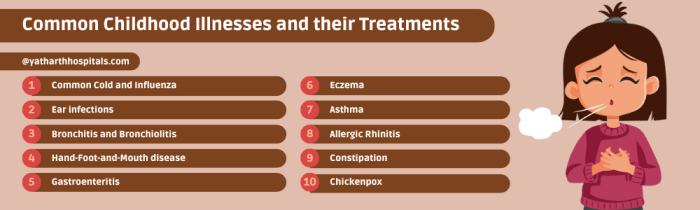
Common Childhood Illnesses and When to Seek Medical Attention
Recognizing common symptoms is vital for parents. A high fever (typically above 100.4°F or 38°C in infants and young children), persistent cough, difficulty breathing, severe vomiting or diarrhea, unexplained rash, changes in behavior or alertness, and persistent irritability are all reasons to seek immediate medical attention. Less urgent but still concerning symptoms include mild fever accompanied by other symptoms like runny nose, mild cough, or decreased appetite.
Parents should always contact their pediatrician or healthcare provider if they have any concerns about their child’s health.
Diagnostic Tests and Treatment Options
A range of diagnostic tests are available for childhood illnesses, depending on the suspected condition. These can include blood tests (to check for infections or other abnormalities), urine tests, stool tests, chest X-rays, and other imaging techniques. Treatment options vary greatly depending on the specific illness, ranging from simple home remedies like rest and fluids to prescription medications, such as antibiotics for bacterial infections or antiviral medications for viral infections.
In some cases, hospitalization may be necessary for severe illnesses requiring intensive care. For instance, a child with pneumonia might require hospitalization for oxygen therapy and intravenous fluids. A child with a severe allergic reaction might need epinephrine injection and close monitoring.
Communicating Effectively with Healthcare Providers
Effective communication is essential for optimal care. Before the appointment, parents should prepare a list of questions and concerns. During the appointment, parents should clearly and concisely describe their child’s symptoms, including when they started, their severity, and any other relevant information. Active listening is crucial; parents should ask clarifying questions if they don’t understand something. Maintaining open communication and asking for clarification about treatment plans ensures parents are fully informed and actively involved in their child’s care.
Following up with the doctor after the appointment to discuss any lingering questions or concerns is also recommended.
Environmental Factors and Disease Prevention
Children are particularly vulnerable to the effects of environmental hazards, as their bodies are still developing and their immune systems are not fully mature. Exposure to pollutants and unsanitary conditions can significantly increase their risk of contracting various illnesses. Understanding the link between environmental factors and childhood diseases is crucial for implementing effective preventative measures.Environmental factors play a substantial role in the spread of childhood diseases.
Air and water quality, for instance, directly impact respiratory and gastrointestinal health. Contaminated water sources can lead to outbreaks of waterborne diseases like cholera and typhoid, while poor air quality, often caused by industrial emissions or vehicle exhaust, exacerbates respiratory illnesses such as asthma and pneumonia. These conditions are especially dangerous for young children, whose lungs are still developing and are more susceptible to damage from pollutants.
Air and Water Quality’s Influence on Childhood Diseases, Preventing childhood diseases
Poor air quality, characterized by high levels of pollutants like particulate matter, ozone, and nitrogen dioxide, is a significant risk factor for respiratory infections in children. These pollutants irritate the airways, making children more susceptible to infections like pneumonia and bronchitis. Similarly, contaminated water sources, containing pathogens such as bacteria and viruses, lead to diarrheal diseases, which can cause dehydration and even death, particularly in infants and young children.
In developing countries, lack of access to clean water and sanitation remains a major public health concern. For example, the World Health Organization reports that unsafe water and sanitation are responsible for a significant portion of childhood deaths globally.
Creating Healthy Home and School Environments
Establishing healthy and safe environments at home and school is crucial for disease prevention. Homes should be well-ventilated to reduce indoor air pollution from sources like cooking fumes and mold. Regular cleaning and proper sanitation practices, such as handwashing, are essential to prevent the spread of infectious diseases. Schools should implement similar measures, ensuring clean drinking water, adequate ventilation, and regular cleaning of facilities.
The design of schools and homes can also play a role. For example, schools built near busy roads may experience higher levels of air pollution, increasing the risk of respiratory problems in students.
Impact of Pollution and Environmental Toxins on Children’s Health
Exposure to environmental toxins, such as lead and pesticides, can have devastating effects on children’s health. Lead poisoning, for instance, can cause irreversible neurological damage, affecting cognitive development and behavior. Pesticides, while intended to control pests, can also harm children’s health, causing developmental delays, respiratory problems, and increased cancer risk. These toxins can enter the body through various pathways, including inhalation, ingestion, and skin contact.
Long-term exposure to low levels of these toxins can have cumulative effects, leading to significant health problems. Studies have shown a correlation between exposure to environmental toxins and increased rates of childhood cancers and developmental disorders.
Recommendations for Improving Environmental Conditions
Improving environmental conditions to reduce the risk of childhood diseases requires a multi-pronged approach.
A crucial step involves:
- Implementing stricter regulations on industrial emissions and vehicle exhaust to improve air quality.
- Investing in clean water infrastructure and sanitation systems to ensure access to safe drinking water and proper waste disposal.
- Promoting sustainable agriculture practices to reduce pesticide use and minimize exposure to harmful chemicals.
- Educating parents and caregivers about the importance of handwashing, proper sanitation, and environmental health.
- Implementing regular environmental monitoring programs to identify and address pollution hotspots.
Protecting children from preventable diseases requires a multi-faceted approach, encompassing vaccination, hygiene, nutrition, early detection, and a safe environment. By proactively implementing these strategies, we can significantly reduce the incidence of childhood illnesses and ensure healthier, happier futures for our children. Remember, consistent effort and informed decision-making are key to creating a robust defense against childhood diseases. This guide serves as a starting point for a lifelong commitment to your child’s health and well-being.
Questions Often Asked: Preventing Childhood Diseases
What are the long-term effects of not vaccinating a child?
Unvaccinated children face a significantly increased risk of contracting serious and potentially life-threatening diseases, some with long-term complications including disabilities and chronic health issues.
How can I tell if my child is showing signs of a serious illness?
Seek immediate medical attention if your child exhibits high fever, difficulty breathing, persistent vomiting, severe dehydration, or unusual lethargy. Always trust your parental instincts and consult a doctor when in doubt.
Are there any natural ways to boost my child’s immunity?
A balanced diet rich in fruits, vegetables, and whole grains, adequate sleep, regular exercise, and stress reduction techniques contribute to a strong immune system. However, these should complement, not replace, recommended vaccinations.


