Senior Fitness Routines A Comprehensive Guide

Senior fitness routines are crucial for maintaining physical and mental well-being in later life. This guide explores various exercise types suitable for different mobility levels, highlighting the significant benefits of regular activity for cardiovascular health, strength, balance, cognitive function, and mental well-being. We’ll delve into creating safe and effective workout plans, considering nutritional needs and addressing common concerns like stress, anxiety, and depression.
The aim is to empower seniors to lead healthier, happier, and more fulfilling lives through tailored fitness strategies.
We’ll cover everything from low-impact exercises and strength training to the importance of proper nutrition and hydration. Safety considerations are paramount, and we’ll provide guidance on modifying exercises to accommodate individual limitations. Beyond the physical, we’ll also explore the mental health benefits of exercise and discuss strategies for managing stress, anxiety, and depression. This guide serves as a comprehensive resource for seniors and their caregivers seeking to improve overall health and quality of life.
Types of Senior Fitness Routines
Maintaining physical fitness is crucial for seniors to improve their quality of life, enhancing strength, balance, and overall well-being. A well-rounded fitness program tailored to individual needs and abilities is essential for safe and effective exercise. This section details various senior fitness routines and provides practical examples.
Low-Impact Exercises for Seniors
Low-impact exercises minimize stress on joints, making them ideal for seniors with varying mobility levels. These exercises are particularly beneficial for those with arthritis, osteoporosis, or other conditions that affect joint health. Examples include walking (at a comfortable pace), chair yoga (modifying poses to accommodate limited mobility), seated stretches (targeting major muscle groups), and water aerobics (the buoyancy of water supports joints and reduces impact).
For individuals with limited mobility, simple arm and leg movements performed while seated can be effective. Progressing gradually, increasing duration and intensity as tolerated, is key to avoid injury.
Sample Weekly Workout Schedule
A balanced weekly schedule should incorporate cardio, strength training, and flexibility exercises. This example is a suggestion and should be adjusted based on individual fitness levels and limitations.
| Day | Activity | Duration | Notes |
|---|---|---|---|
| Monday | Brisk walking or water aerobics | 30 minutes | Focus on maintaining a comfortable pace. |
| Tuesday | Strength training (chair exercises) | 20 minutes | Include exercises for legs, arms, and core. Use light weights or resistance bands. |
| Wednesday | Rest or light stretching | 15 minutes | Gentle stretching to improve flexibility and reduce muscle soreness. |
| Thursday | Chair yoga or seated stretches | 25 minutes | Focus on deep breathing and controlled movements. |
| Friday | Brisk walking or cycling | 30 minutes | Vary the activity to prevent boredom and maintain motivation. |
| Saturday | Flexibility exercises (yoga or tai chi) | 30 minutes | Focus on improving range of motion and balance. |
| Sunday | Rest or active recovery (gentle walk) | 15 minutes | Allow the body to recover and prepare for the next week. |
Fitness Routine for Seniors with Arthritis
Arthritis can significantly impact joint mobility and cause pain. A fitness routine for seniors with arthritis should prioritize joint-friendly movements that maintain range of motion and strength without exacerbating pain. Exercises should be performed slowly and deliberately, focusing on proper form. Examples include range-of-motion exercises (gentle movements within the pain-free range), low-impact cardio (such as swimming or cycling), and gentle strength training (using light weights or resistance bands).
Warm-up and cool-down periods are crucial to prepare the joints and prevent injury. It’s essential to listen to the body and stop if pain occurs.
Comparison of Senior Fitness Classes
Yoga, tai chi, and water aerobics are popular senior fitness classes, each offering unique benefits. Yoga emphasizes flexibility, balance, and mindfulness through various poses and breathing techniques. Tai chi, a gentle martial art, improves balance, coordination, and flexibility through slow, flowing movements. Water aerobics provides a low-impact cardiovascular workout, supporting joints and reducing stress. The choice of class depends on individual preferences and physical limitations.
Some individuals might benefit from a combination of these classes for a well-rounded approach.
Essential Equipment for a Home-Based Senior Fitness Program
A home-based fitness program requires minimal equipment. Essential items include a comfortable chair, a yoga mat (for floor exercises), light weights or resistance bands (for strength training), and comfortable, supportive footwear. A stability ball can enhance balance exercises, and a balance board can be helpful for improving proprioception (body awareness). These items allow for a versatile and adaptable home fitness routine.
Benefits of Senior Fitness
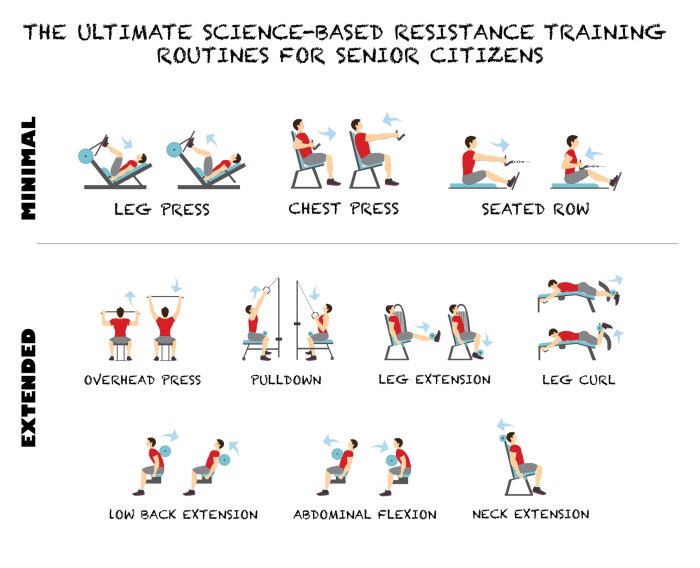
Regular physical activity offers a multitude of benefits for older adults, significantly improving their quality of life and overall well-being. Engaging in a tailored fitness routine can positively impact cardiovascular health, strength, balance, cognitive function, and mental health, ultimately contributing to a healthier and more fulfilling aging process.
Improved Cardiovascular Health
Regular exercise plays a crucial role in maintaining a healthy cardiovascular system for seniors. Activities like brisk walking, swimming, or cycling help strengthen the heart muscle, improve blood circulation, and lower blood pressure. These improvements reduce the risk of heart disease, stroke, and other cardiovascular complications, common concerns among older adults. Studies have consistently shown that even moderate-intensity aerobic exercise can significantly reduce the risk of cardiovascular events and improve overall cardiovascular health markers.
For instance, a study published in the Journal of the American Medical Association showed a significant reduction in cardiovascular mortality among individuals who engaged in regular physical activity compared to their sedentary counterparts.
Preventing Falls and Improving Balance
Strength training is particularly important for seniors, as it helps prevent falls and improve balance. Exercises that focus on strengthening leg and core muscles, such as squats, lunges, and planks, enhance stability and reduce the risk of falls. Improved balance also translates to increased independence and confidence in performing daily activities. A meta-analysis of studies published in the British Journal of Sports Medicine demonstrated a significant reduction in falls among older adults who participated in strength training programs.
This is because strength training builds muscle mass and improves neuromuscular coordination, leading to better postural control and balance.
Enhanced Cognitive Function and Memory
Exercise isn’t just beneficial for the body; it also significantly impacts cognitive function and memory in older adults. Aerobic exercise, in particular, has been shown to increase blood flow to the brain, promoting the growth of new brain cells and improving cognitive performance. Studies have linked regular physical activity to improved memory, attention, and executive function. For example, research published in Neurology showed that regular physical activity was associated with a lower risk of developing dementia and Alzheimer’s disease.
This suggests that exercise can play a protective role against age-related cognitive decline.
Mental Health Benefits
Physical activity provides significant mental health benefits for seniors. Exercise releases endorphins, which have mood-boosting effects, reducing stress, anxiety, and symptoms of depression. Regular physical activity can also improve sleep quality, which is often disrupted in older adults. Furthermore, participating in group fitness classes or activities can foster social interaction and reduce feelings of isolation, a common issue among older adults.
Many studies have shown a strong correlation between regular physical activity and improved mental well-being in seniors. This improvement in mental health can significantly enhance their overall quality of life.
Comparison of Exercise Benefits
| Type of Exercise | Cardiovascular Health | Strength & Balance | Cognitive Function & Mental Health |
|---|---|---|---|
| Cardio (e.g., walking, swimming) | Excellent: Improves heart health, lowers blood pressure | Moderate: Improves circulation to muscles, indirectly supports balance | Good: Improves blood flow to the brain, boosts mood |
| Strength Training (e.g., weights, resistance bands) | Moderate: Improves metabolism, indirectly supports heart health | Excellent: Builds muscle mass, improves balance and stability | Moderate: Can improve mood and self-esteem |
| Flexibility (e.g., yoga, stretching) | Moderate: Improves circulation, can help manage blood pressure | Good: Improves joint mobility, enhances balance | Good: Reduces stress, improves relaxation |
Safety Considerations for Senior Fitness: Senior Fitness Routines
Maintaining safety is paramount when engaging in any fitness program, especially for seniors. Prioritizing safety ensures that exercise remains beneficial and enjoyable, preventing injuries and promoting long-term health improvements. A well-planned approach, incorporating proper warm-up and cool-down routines, mindful exercise modifications, and proactive health checks, contributes significantly to a safe and effective workout experience.
The Importance of Warm-up and Cool-down Routines
Adequate warm-up and cool-down routines are crucial for seniors. A warm-up prepares the body for physical activity by increasing blood flow to muscles and joints, improving flexibility and range of motion. This reduces the risk of muscle strains and tears. A typical warm-up might include 5-10 minutes of light cardio, such as walking or cycling, followed by dynamic stretches like arm circles and leg swings.
Conversely, a cool-down helps the body gradually return to its resting state, preventing sudden drops in blood pressure and reducing muscle soreness. This typically involves 5-10 minutes of light cardio and static stretches, holding each stretch for 20-30 seconds. For example, holding a hamstring stretch or a quadriceps stretch.
Safety Precautions to Minimize Injury Risk
Several safety precautions can significantly reduce the risk of injuries during exercise. Maintaining proper posture is essential to prevent back pain and other musculoskeletal issues. Using appropriate equipment, such as supportive footwear and well-maintained exercise machines, is crucial. Starting slowly and gradually increasing the intensity and duration of workouts prevents overexertion. Listening to your body and stopping if you experience pain is critical.
Furthermore, choosing a safe and stable exercise environment free from obstacles is essential. For instance, ensuring a clear space to prevent tripping or falling.
Modifying Exercises to Accommodate Individual Limitations
Modifying exercises to suit individual limitations and physical conditions is key to safe and effective senior fitness. This might involve reducing the intensity, duration, or range of motion of an exercise. For example, instead of performing a full squat, a senior might opt for a chair squat, using a chair for support. Using lighter weights or resistance bands can help manage strength limitations.
Adapting exercises to accommodate arthritis, osteoporosis, or other health conditions is crucial. Working with a qualified fitness professional can provide personalized guidance on appropriate exercise modifications.
Consulting a Physician Before Starting a New Fitness Program
Before embarking on any new fitness program, consulting a physician is strongly advised, especially for seniors. This allows for a personalized assessment of health status and identification of any potential limitations or contraindications to specific exercises. The physician can provide guidance on appropriate exercise types, intensity levels, and potential risks. This proactive approach ensures that the chosen fitness program aligns with individual health needs and reduces the risk of complications.
Checklist for a Safe and Effective Workout Environment
A checklist can ensure a safe and effective workout environment. This includes checking the exercise area for hazards, such as loose rugs or obstacles. Ensuring proper ventilation and adequate hydration are vital. Having a readily accessible first-aid kit is essential for minor injuries. Wearing appropriate clothing and footwear enhances safety and comfort.
Finally, having a workout buddy or informing someone of your workout plan can provide an additional layer of safety.
Nutrition and Hydration for Senior Fitness
Maintaining a healthy diet and staying adequately hydrated are crucial components of a successful senior fitness program. Proper nutrition fuels workouts, aids recovery, and supports overall well-being, while sufficient hydration prevents dehydration and its associated risks, particularly during and after physical activity. This section will explore dietary recommendations, the importance of hydration, the role of supplements, a sample meal plan, and foods to limit for optimal senior fitness.
Balanced Diet for Senior Fitness
A balanced diet for seniors engaged in fitness should emphasize nutrient-dense foods to provide the energy and support muscle repair. This includes lean protein sources for muscle maintenance and growth, complex carbohydrates for sustained energy, healthy fats for hormone production and overall health, and plenty of fruits and vegetables rich in vitamins, minerals, and antioxidants. Portion control remains important to manage weight and prevent overconsumption.
Focusing on whole, unprocessed foods is key to maximizing nutritional benefits.
Hydration During and After Exercise
Adequate hydration is essential for seniors, especially during and after exercise. Dehydration can lead to fatigue, muscle cramps, dizziness, and decreased performance. Seniors should aim to drink water consistently throughout the day, increasing intake before, during, and after exercise. The amount of water needed will vary based on individual factors such as body weight, activity level, and climate.
Electrolyte-rich beverages can be beneficial after intense workouts to replenish lost minerals. Monitoring urine color – aiming for a pale yellow hue – is a good indicator of hydration status.
The Role of Supplements in Senior Fitness
While a balanced diet should be the primary source of nutrients, some seniors may benefit from specific supplements to address potential deficiencies or support fitness goals. For example, calcium and vitamin D are crucial for bone health, while protein supplements can aid muscle recovery and growth. However, it’s vital to consult a doctor or registered dietitian before starting any supplement regimen.
Self-prescribing supplements can lead to interactions with medications or other health complications. Supplements should be viewed as complementary to a healthy diet, not a replacement for it.
Sample Meal Plan for Senior Fitness
This sample meal plan provides a general guideline and should be adjusted based on individual needs and preferences. Consult a dietitian or nutritionist for personalized advice.
| Meal | Food | Nutrient Focus |
|---|---|---|
| Breakfast | Oatmeal with berries and nuts, a glass of milk | Complex carbohydrates, fiber, antioxidants, calcium |
| Lunch | Grilled chicken salad with mixed greens, avocado, and a light vinaigrette | Lean protein, healthy fats, vitamins |
| Dinner | Baked salmon with roasted vegetables (broccoli, carrots, sweet potatoes) | Omega-3 fatty acids, protein, vitamins, fiber |
| Snacks | Greek yogurt with fruit, a handful of almonds | Protein, calcium, healthy fats |
Foods to Avoid or Limit
Certain foods can hinder senior fitness goals or increase the risk of injury. Highly processed foods, sugary drinks, excessive saturated and trans fats, and excessive alcohol consumption should be limited. These can contribute to weight gain, inflammation, and decreased energy levels, negatively impacting exercise performance and recovery. Additionally, individuals with specific health conditions may need to avoid certain foods based on their individual dietary restrictions or allergies.
Stress and Anxiety Management for Seniors
Stress and anxiety are common experiences, and seniors are not immune. However, effective management strategies can significantly improve their quality of life, promoting both physical and mental well-being. This section explores various techniques and approaches to help seniors cope with and reduce stress and anxiety.
Effective Relaxation Techniques for Seniors
Relaxation techniques are crucial for managing stress. These techniques help to calm the nervous system and reduce the physical symptoms associated with stress, such as muscle tension and rapid heartbeat. Simple, accessible methods are particularly beneficial for older adults. For example, deep breathing exercises, where the individual focuses on slow, controlled breaths, can significantly lower heart rate and blood pressure.
Progressive muscle relaxation, involving tensing and releasing different muscle groups, helps release physical tension. Guided imagery, where individuals visualize peaceful scenes, can transport them to a calmer mental state. These techniques are often easily learned and can be practiced independently or with the guidance of a therapist.
Mindfulness Practices for Older Adults
Mindfulness practices encourage focusing on the present moment without judgment. This can be particularly helpful in reducing anxiety related to past events or future worries. Simple mindfulness exercises include mindful walking, paying close attention to the sensations of walking, or mindful eating, savoring the taste and texture of food. Mindful breathing, focusing on the sensation of each breath, is another accessible practice.
These techniques can be incorporated into daily routines, promoting a sense of calm and reducing overthinking. Regular practice, even for short periods, can yield significant benefits.
Benefits of Social Interaction and Engagement in Stress Reduction
Social connection is a powerful buffer against stress and anxiety. Regular interaction with friends, family, and community members provides emotional support and a sense of belonging. Participating in social activities, such as joining a book club, attending senior center events, or engaging in volunteer work, provides opportunities for meaningful connections and reduces feelings of isolation. These activities foster a sense of purpose and contribute to overall well-being, mitigating the impact of stress.
Studies have shown a strong correlation between social engagement and reduced rates of depression and anxiety among older adults.
Seeking Professional Help for Persistent Stress and Anxiety
Persistent stress and anxiety that significantly impact daily life warrant professional help. A therapist or counselor can provide tailored strategies, such as cognitive behavioral therapy (CBT) or other evidence-based approaches. CBT helps individuals identify and change negative thought patterns contributing to anxiety. Medication may also be considered in some cases, particularly when anxiety is severe or interferes with daily functioning.
Seeking professional help is not a sign of weakness but a proactive step towards better mental health. Early intervention can prevent the escalation of anxiety and improve long-term well-being.
Building Resilience to Stress: A Step-by-Step Guide
Building resilience involves developing coping mechanisms to manage stress effectively. This is a gradual process that requires consistent effort.
- Identify Stressors: Begin by pinpointing the sources of stress in your life. Keeping a journal can be helpful in tracking triggers and patterns.
- Develop Coping Strategies: Explore various coping techniques – relaxation exercises, mindfulness practices, social engagement, and healthy lifestyle choices.
- Practice Self-Compassion: Treat yourself with kindness and understanding, acknowledging that setbacks are a normal part of life.
- Seek Support: Lean on friends, family, support groups, or mental health professionals for emotional support and guidance.
- Maintain a Healthy Lifestyle: Prioritize regular exercise, a balanced diet, sufficient sleep, and limit alcohol and caffeine intake. These factors significantly impact stress resilience.
- Set Realistic Goals: Avoid overwhelming yourself with too many tasks. Break down larger goals into smaller, manageable steps.
- Learn to Say No: Set boundaries and protect your time and energy by declining commitments that add unnecessary stress.
- Practice Gratitude: Focusing on positive aspects of life can shift perspective and reduce feelings of stress.
- Regularly Review and Adjust: The process of building resilience is ongoing. Regularly evaluate your strategies and adapt them as needed.
Depression Support Resources for Seniors
Depression in older adults is a significant concern, often overlooked or misattributed to other age-related changes. However, timely intervention and appropriate support can significantly improve the quality of life for seniors experiencing this condition. Understanding available resources and recognizing warning signs are crucial steps in ensuring effective care.
Available Support Groups and Community Resources
Many communities offer support groups specifically designed for seniors experiencing depression. These groups provide a safe and supportive environment where individuals can share their experiences, learn coping mechanisms, and connect with others facing similar challenges. Local senior centers, community health clinics, and hospitals often host or facilitate such groups. Additionally, religious organizations and community-based non-profits frequently offer support programs tailored to the needs of older adults.
These resources can be invaluable in combating feelings of isolation and fostering a sense of belonging. Participation in these groups often leads to improved social interaction and emotional well-being.
Importance of Early Intervention and Professional Treatment
Early intervention is paramount in the treatment of depression in seniors. Untreated depression can lead to a decline in physical health, increased risk of suicide, and a reduced quality of life. Professional treatment, often involving a combination of therapy and medication, is frequently necessary to effectively manage symptoms. A healthcare provider can conduct a thorough assessment to determine the appropriate course of action, which may include cognitive behavioral therapy (CBT), interpersonal therapy, or medication such as antidepressants.
Prompt diagnosis and treatment significantly increase the likelihood of successful recovery and improved long-term outcomes. Delaying treatment can exacerbate symptoms and make recovery more challenging.
Role of Family and Friends in Supporting Seniors
Family and friends play a crucial role in supporting seniors dealing with depression. Providing emotional support, practical assistance, and encouragement to seek professional help are essential components of effective care. Regular contact, engaging in enjoyable activities together, and simply listening without judgment can make a profound difference. Family members can also help seniors manage daily tasks, ensuring adherence to treatment plans, and facilitating access to support services.
Open communication and a supportive network can significantly enhance the senior’s ability to cope with depression and improve their overall well-being. However, it’s important for family and friends to recognize their own limitations and to encourage professional help when needed.
Warning Signs of Depression in Older Adults
Recognizing the warning signs of depression in older adults is critical for early intervention. While symptoms can vary, common indicators include persistent sadness, loss of interest in previously enjoyed activities, changes in appetite or sleep patterns, fatigue, feelings of worthlessness or guilt, difficulty concentrating, and thoughts of death or suicide. It’s important to note that these symptoms may manifest differently in older adults compared to younger individuals.
For instance, physical complaints like aches and pains may be more prominent than overt emotional distress. Therefore, a comprehensive assessment by a healthcare professional is crucial for accurate diagnosis and appropriate treatment.
Reputable Organizations Offering Depression Support Services
Several reputable organizations offer comprehensive depression support services for seniors. These organizations provide a range of resources, including helplines, online support groups, educational materials, and referrals to mental health professionals. Examples include the National Institute on Aging (NIA), the Alzheimer’s Association (which also addresses depression in those with dementia), and the National Alliance on Mental Illness (NAMI). These organizations offer valuable information and resources to help seniors and their families navigate the challenges of depression.
It is always advisable to consult with a healthcare provider to determine the most appropriate resources for individual needs.
Mindfulness Practices for Seniors
Mindfulness, the practice of paying attention to the present moment without judgment, offers significant benefits for seniors. It can be a powerful tool for managing age-related challenges and improving overall well-being. By cultivating awareness of thoughts, feelings, and bodily sensations, seniors can reduce stress, enhance sleep quality, and sharpen cognitive function. This section explores various mindfulness techniques specifically adapted for older adults and provides practical guidance to begin this enriching journey.
Mindfulness Techniques for Seniors
Several mindfulness techniques are particularly well-suited to the needs and abilities of seniors. These techniques emphasize gentle approaches and accommodate potential physical limitations. Meditation, for example, doesn’t require strenuous physical activity and can be adapted to suit individual comfort levels. Deep breathing exercises are another accessible method, offering immediate stress relief and promoting relaxation. Guided imagery, which involves visualizing peaceful scenes, can also be highly effective in calming the mind and reducing anxiety.
Chair yoga, combining gentle movement with mindful awareness, provides a blend of physical and mental benefits.
Benefits of Mindfulness for Seniors, Senior fitness routines
Mindfulness has demonstrable positive effects on various aspects of senior well-being. Regular mindfulness practice has been shown to reduce stress hormones like cortisol, leading to lower levels of stress and anxiety. Improved sleep quality is another key benefit; mindfulness techniques can help quiet the mind, promoting restful sleep and reducing insomnia. Furthermore, studies suggest that mindfulness can enhance cognitive function, improving memory, attention, and processing speed.
This can be particularly beneficial in mitigating age-related cognitive decline.
A Simple Mindfulness Exercise for Seniors
This exercise can be performed seated in a comfortable chair.
- Find a quiet space where you can sit comfortably with good posture. Close your eyes gently.
- Bring your attention to your breath. Notice the sensation of the air entering and leaving your nostrils. Feel the rise and fall of your chest or abdomen.
- If your mind wanders, which is perfectly normal, gently guide your attention back to your breath. Don’t judge yourself for distractions; simply acknowledge them and return to your breath.
- Continue focusing on your breath for 5-10 minutes. You can extend this time as you become more comfortable with the practice.
- When you’re ready, gently open your eyes and take a moment to notice how you feel.
Mindfulness and Emotional Regulation in Seniors
Mindfulness cultivates self-awareness, allowing seniors to better understand and manage their emotions. By observing emotions without judgment, they can develop healthier coping mechanisms. This increased self-awareness empowers seniors to respond to challenging situations with greater calmness and resilience, reducing the impact of negative emotions and promoting emotional well-being. For example, instead of reacting impulsively to frustration, a mindful approach encourages pausing, observing the emotion, and then responding thoughtfully.
Resources for Mindfulness Practices for Seniors
Many resources are available to help seniors learn and practice mindfulness. These resources often adapt mindfulness techniques to the specific needs and limitations of older adults.
- Mindfulness-based stress reduction (MBSR) programs: Many community centers and senior centers offer MBSR programs tailored to older adults. These programs typically involve group sessions and guided meditations.
- Online resources: Several websites and apps offer guided meditations and mindfulness exercises specifically designed for seniors. These often feature shorter sessions and gentler guidance.
- Books and audiobooks: Numerous books and audiobooks provide instruction and guidance on mindfulness practices for seniors. Look for titles that emphasize gentle approaches and accessibility.
- Local senior centers and community organizations: Check with local senior centers and community organizations for classes and workshops on mindfulness and related practices.
Embarking on a senior fitness journey offers transformative benefits, extending beyond physical improvements to encompass enhanced mental well-being and a heightened sense of purpose. By incorporating tailored exercise routines, mindful practices, and a supportive lifestyle, seniors can significantly improve their quality of life. Remember that consistency is key, and seeking professional guidance when needed is crucial for a safe and effective program.
Embrace the journey to a healthier and more vibrant future!
General Inquiries
Can I start exercising if I have a pre-existing condition?
Always consult your doctor before beginning any new exercise program, especially if you have pre-existing health conditions. They can help you determine safe and appropriate activities.
How often should I exercise?
Aim for at least 150 minutes of moderate-intensity aerobic activity or 75 minutes of vigorous-intensity aerobic activity per week, spread throughout the week. Strength training should be incorporated at least two days a week.
What if I experience pain during exercise?
Stop immediately and consult your doctor or physical therapist. Pain is a signal that something is wrong and should not be ignored.
What are some good resources for finding senior fitness classes?
Check with your local community centers, senior centers, gyms, and YMCA/YWCA. Many offer classes specifically designed for seniors.


