Impact of Diet on Reproductive Health
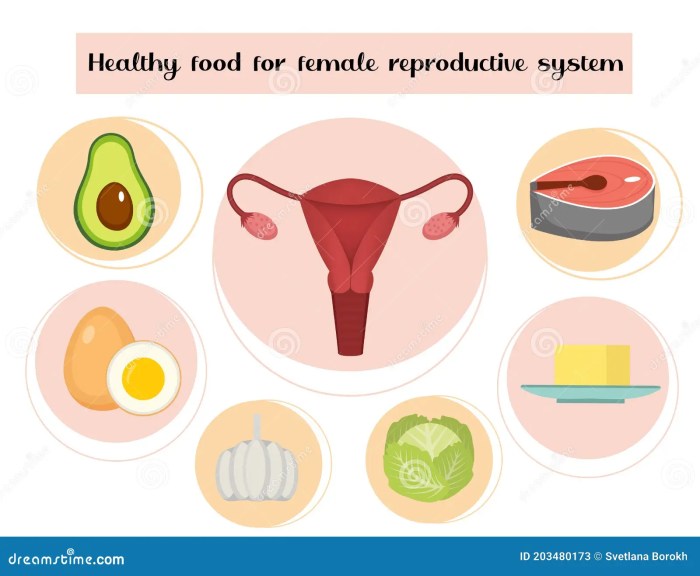
Impact of diet on reproductive health is a crucial area of study, revealing the profound connection between nutrition and fertility. From the macronutrients that fuel our bodies to the micronutrients that support vital functions, dietary choices significantly influence reproductive organ health, hormone levels, and the quality of eggs and sperm. Understanding this intricate relationship allows individuals and couples to make informed decisions that optimize their chances of conception and support healthy pregnancies.
This exploration delves into the specific effects of various nutrients, providing insights into how dietary modifications can improve fertility outcomes for both men and women. We will examine the role of diet in addressing infertility, managing weight for optimal reproductive health, and supporting successful pregnancies and postpartum recovery. Ultimately, this discussion aims to empower individuals with the knowledge necessary to make informed dietary choices that promote reproductive well-being.
Impact of Macronutrients on Fertility
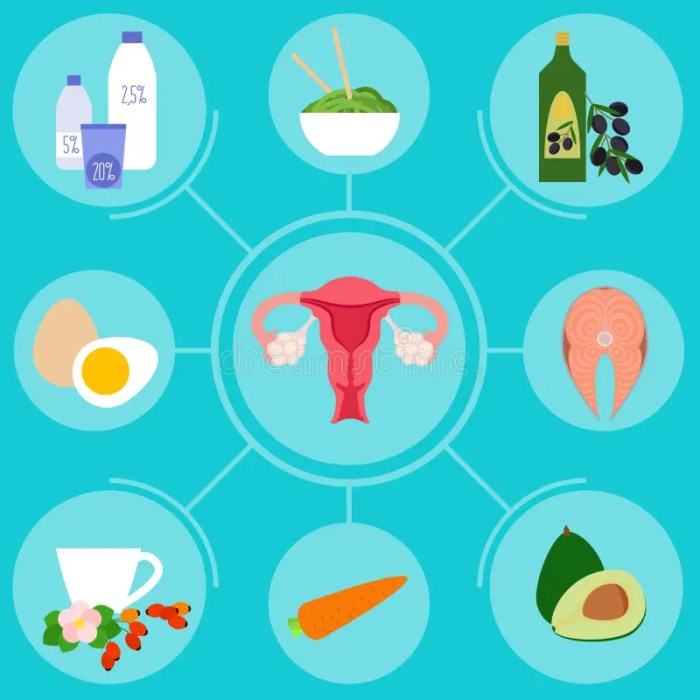
Maintaining a balanced diet plays a crucial role in reproductive health, significantly influencing fertility rates in both men and women. The macronutrients – carbohydrates, proteins, and fats – each contribute uniquely to this process, and their appropriate intake is essential for optimal reproductive function. Imbalances in macronutrient consumption can lead to hormonal disruptions, compromised organ health, and reduced egg or sperm quality, ultimately impacting the chances of conception.
Carbohydrate Intake and Reproductive Hormone Levels
Carbohydrates are the body’s primary energy source. Adequate carbohydrate intake is vital for maintaining stable blood sugar levels, which directly impacts the production and regulation of reproductive hormones. For instance, insufficient carbohydrate consumption can lead to decreased insulin levels, potentially interfering with the hormonal cascade necessary for ovulation in women and testosterone production in men. Conversely, excessive refined carbohydrate intake, often associated with high glycemic index foods, can lead to insulin resistance and hormonal imbalances, negatively affecting fertility.
A balanced intake of complex carbohydrates, such as whole grains, fruits, and vegetables, is recommended to support healthy hormone production and regular menstrual cycles.
Protein’s Role in Reproductive Organ Health and Development
Protein is the building block of all tissues, including those of the reproductive system. Sufficient protein intake is crucial for the healthy development and function of reproductive organs. In women, adequate protein supports the growth and maturation of follicles, essential for egg production. In men, it contributes to the production of healthy sperm and maintains the integrity of the reproductive tract.
Protein deficiency can lead to impaired reproductive organ development, reduced hormone production, and decreased fertility. High-quality protein sources, including lean meats, fish, eggs, legumes, and dairy products, should be incorporated into a balanced diet to ensure optimal reproductive health.
Healthy Fat Consumption and Egg and Sperm Quality
Healthy fats, particularly essential fatty acids like omega-3 and omega-6, are vital for reproductive health. These fats are crucial components of cell membranes, influencing the structure and function of reproductive cells. Omega-3 fatty acids, found in fatty fish, flaxseeds, and walnuts, have been linked to improved egg quality and reduced inflammation, which can negatively impact fertility. In men, adequate omega-3 intake is associated with improved sperm motility and morphology.
Furthermore, healthy fats are essential for the production of hormones like testosterone and estrogen, which are vital for reproductive function. In contrast, excessive consumption of unhealthy fats, such as saturated and trans fats, can negatively impact hormone levels and reproductive health.
Impact of Different Macronutrient Ratios on Fertility Rates, Impact of diet on reproductive health
The optimal ratio of macronutrients for fertility varies among individuals, but a balanced approach is generally recommended. The following table illustrates the potential impact of different macronutrient ratios on fertility:
| Macronutrient Ratio | Carbohydrate (%) | Protein (%) | Fat (%) |
|---|---|---|---|
| Ratio 1 (Low Carb, High Protein) | 30 | 40 | 30 |
| Ratio 2 (Balanced) | 40 | 30 | 30 |
| Ratio 3 (High Carb, Low Protein) | 60 | 20 | 20 |
| Potential Impact on Fertility | May lead to hormonal imbalances if very low in carbohydrates. | Generally positive, supports tissue development. | Healthy fats crucial; unhealthy fats detrimental. |
Influence of Micronutrients on Reproductive Health
Micronutrients, despite being needed in smaller quantities than macronutrients, play a pivotal role in reproductive health for both men and women. Their deficiency can significantly impact fertility and the overall health of a pregnancy. Understanding the crucial roles of specific micronutrients is essential for optimizing reproductive outcomes.
Folate’s Importance in Preventing Neural Tube Defects
Folate, a B vitamin, is crucial during the early stages of pregnancy. Its primary function is in the synthesis of DNA and RNA, processes essential for cell growth and division. Adequate folate intake is particularly vital during the first four weeks of pregnancy, a period often before a woman even realizes she is pregnant. A deficiency can lead to neural tube defects (NTDs), serious birth defects affecting the brain, spinal cord, or both.
These defects can result in conditions like anencephaly (absence of a major portion of the brain) or spina bifida (incomplete closure of the spinal cord). The recommended daily intake of folate is significantly higher for women who are pregnant or planning to become pregnant. Fortification of foods like grains with folic acid has greatly reduced the incidence of NTDs, highlighting the effectiveness of public health initiatives aimed at improving micronutrient intake.
Critical Micronutrients for Healthy Sperm Production
Several micronutrients are vital for healthy sperm production and function. Zinc, for example, plays a critical role in sperm maturation and testosterone production. Selenium is an antioxidant that protects sperm from damage caused by free radicals. Vitamin C also acts as an antioxidant, contributing to sperm motility and morphology. Vitamin E, another potent antioxidant, helps maintain sperm membrane integrity.
Men with deficiencies in these micronutrients may experience reduced sperm count, impaired motility, and abnormal sperm morphology, all of which can negatively impact fertility.
Impact of Iron Deficiency on Female Reproductive Health
Iron deficiency anemia, a common condition characterized by low levels of hemoglobin in the blood, can significantly impact female reproductive health. Iron is crucial for the production of red blood cells, which carry oxygen throughout the body. During menstruation and pregnancy, women experience increased iron demands. Iron deficiency can lead to irregular menstrual cycles, reduced fertility, increased risk of complications during pregnancy (such as preterm birth or low birth weight), and postpartum hemorrhage.
Adequate iron intake is, therefore, essential for maintaining optimal reproductive health.
Diets Rich in Micronutrients that Support Reproductive Health
A balanced diet rich in a variety of fruits, vegetables, whole grains, and lean proteins is crucial for optimal micronutrient intake. Examples of diets that support reproductive health include:
- A diet rich in leafy green vegetables (for folate and iron): Spinach, kale, collard greens.
- Foods containing zinc: Oysters, beef, pumpkin seeds.
- Selenium-rich foods: Brazil nuts, tuna, eggs.
- Vitamin C-rich foods: Citrus fruits, berries, bell peppers.
- Vitamin E-rich foods: Nuts, seeds, vegetable oils.
- Iron-rich foods (in addition to leafy greens): Red meat, beans, lentils.
In conclusion, the impact of diet on reproductive health is undeniable. A balanced diet rich in essential macronutrients and micronutrients plays a pivotal role in supporting fertility, promoting healthy pregnancies, and ensuring optimal postpartum recovery. By understanding the specific nutritional needs at each stage of the reproductive journey, individuals can take proactive steps to improve their reproductive health and increase their chances of achieving their family planning goals.
Making conscious dietary choices is an investment in the future, fostering both physical and mental well-being.
FAQ Insights: Impact Of Diet On Reproductive Health
What are some common dietary mistakes that can negatively impact fertility?
Common mistakes include consuming excessive processed foods, sugary drinks, and unhealthy fats, while neglecting fruits, vegetables, and whole grains. Insufficient intake of essential micronutrients like folate and iron can also be detrimental.
Can supplements completely replace a healthy diet for reproductive health?
No. While supplements can address specific nutrient deficiencies, they should complement, not replace, a balanced diet. A diverse range of whole foods provides a wider array of beneficial nutrients and phytochemicals.
How long does it typically take for dietary changes to impact fertility?
The timeframe varies depending on the individual and the extent of dietary changes. However, noticeable improvements in reproductive markers can often be observed within a few months of adopting a healthy diet.
Are there specific diets that are universally recommended for improving fertility?
There isn’t one universally recommended diet. However, a diet rich in whole, unprocessed foods, lean protein, healthy fats, and plenty of fruits and vegetables is generally recommended. Individual needs may vary based on factors like existing health conditions.


