Chronic Illness and Quality of Life
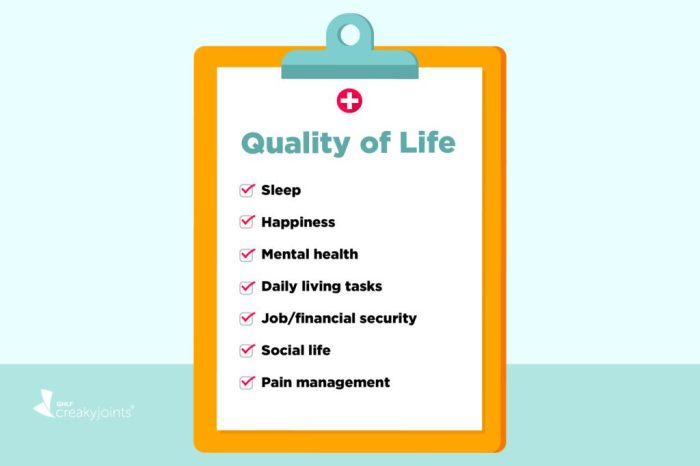
Chronic illness and quality of life are inextricably linked. This exploration delves into the multifaceted impact of chronic conditions, examining the physical, emotional, and social challenges faced by individuals and their families. We will navigate the complexities of managing these illnesses, exploring effective coping strategies, support systems, and available resources to enhance overall well-being and improve quality of life.
This journey will cover various aspects, from stress management techniques and mental health support to advocacy and the importance of self-care.
Understanding the diverse range of chronic illnesses and their individual impacts is crucial. From the physical limitations imposed by conditions like arthritis to the emotional toll of managing a chronic disease, the experience varies widely. This exploration will compare and contrast these experiences, highlighting both the common challenges and unique aspects of living with different chronic illnesses. We will also address the financial burden often associated with long-term healthcare and management.
Defining Chronic Illness and its Impact on Quality of Life: Chronic Illness And Quality Of Life

Chronic illnesses represent a significant global health challenge, profoundly impacting the lives of millions. These conditions, lasting a year or more and requiring ongoing medical attention, encompass a vast spectrum of diseases, each presenting unique challenges and affecting quality of life in diverse ways. Understanding this multifaceted impact is crucial for developing effective interventions and support systems.
The Diverse Range of Chronic Illnesses and Their Varying Impacts on Daily Life
Chronic illnesses are incredibly diverse, ranging from cardiovascular diseases like heart failure and stroke to autoimmune disorders such as rheumatoid arthritis and lupus. Metabolic conditions like diabetes and obesity, respiratory illnesses such as asthma and chronic obstructive pulmonary disease (COPD), and mental health conditions including depression and anxiety also fall under this umbrella. The impact on daily life varies drastically depending on the specific illness and its severity.
For example, someone with mild asthma might experience occasional breathlessness, requiring only occasional use of an inhaler, while someone with severe COPD might require constant oxygen therapy and struggle with even basic daily activities. Similarly, someone with type 2 diabetes managed through diet and exercise might experience minimal disruption to their life, while someone with type 1 diabetes requires daily insulin injections and careful blood glucose monitoring.
Physical, Emotional, and Social Challenges Faced by Individuals with Chronic Illnesses
Living with a chronic illness presents a complex interplay of physical, emotional, and social challenges. Physically, individuals may experience pain, fatigue, limited mobility, and other symptoms that interfere with work, leisure activities, and daily routines. The constant need for medical appointments, treatments, and medication management can be physically and mentally draining. Emotionally, chronic illness can lead to feelings of anxiety, depression, frustration, and isolation.
The uncertainty surrounding the illness’s progression, the fear of future complications, and the constant awareness of physical limitations can significantly impact mental well-being. Socially, individuals may experience stigma, discrimination, and difficulty maintaining social connections due to limitations imposed by their illness. They might need to modify their social life to accommodate their health needs, potentially leading to feelings of loneliness and isolation.
Comparison of Quality of Life Experiences Across Different Chronic Illnesses
The quality of life experienced by individuals with chronic illnesses is not uniform. While some conditions, such as well-managed hypertension, might have minimal impact on daily life, others, such as severe rheumatoid arthritis or advanced cancer, can significantly impair physical function and mental well-being. Furthermore, the impact of a chronic illness is influenced by factors beyond the disease itself, including access to healthcare, social support, and personal coping mechanisms.
A person with diabetes who has access to quality healthcare and a supportive social network might maintain a high quality of life, while someone with the same condition lacking these resources might experience significant limitations.
The Economic Burden of Managing Chronic Illnesses
Managing chronic illnesses often entails substantial economic burdens. Direct costs include medical expenses such as doctor visits, hospitalizations, medications, and specialized equipment. Indirect costs encompass lost productivity due to missed work, reduced work capacity, and the need for assistance with daily tasks. The cumulative financial strain can be significant, placing a considerable burden on individuals, families, and healthcare systems.
For instance, the cost of insulin and other diabetes-related supplies can be prohibitive for many individuals, especially those without adequate health insurance. Similarly, the need for home healthcare or long-term care for individuals with severe chronic illnesses can place a significant financial strain on families.
Impact of Chronic Illness on Family Dynamics
Chronic illness significantly alters the lives of not only the individual affected but also their entire family. The impact extends beyond the physical symptoms, affecting family relationships, roles, and emotional well-being. Understanding these effects is crucial for developing effective coping strategies and seeking appropriate support.The presence of chronic illness often necessitates a restructuring of family roles and responsibilities.
Caregiving tasks, previously shared or distributed, may fall disproportionately on one family member, leading to caregiver burden and potential resentment. For example, a spouse might become the primary caregiver for a partner with a debilitating condition, impacting their own work, social life, and personal well-being. Children may also experience altered roles, assuming responsibilities beyond their developmental stage, or experiencing emotional distress from witnessing a parent’s suffering.
Financial strain, due to medical expenses and lost income, can further exacerbate existing tensions and create additional stress within the family unit.
Changes in Family Relationships
Chronic illness can strain relationships in various ways. Increased stress and anxiety can lead to conflict and decreased communication. The affected individual may experience feelings of isolation, dependence, and loss of independence, impacting their interactions with family members. Similarly, family members may struggle with feelings of helplessness, frustration, and guilt. Open and honest communication, active listening, and mutual support are essential for navigating these challenges.
Seeking family therapy can provide a safe space to address these issues and develop strategies for improved communication and conflict resolution. For instance, a family therapy session might help a family identify communication patterns that lead to conflict and develop alternative strategies for expressing needs and concerns.
Strategies for Family Adaptation and Coping
Adapting to the challenges of chronic illness requires a proactive and collaborative approach. Families should establish clear communication channels, ensuring everyone feels heard and understood. Shared decision-making regarding treatment plans and caregiving responsibilities can foster a sense of collaboration and shared responsibility. Prioritizing self-care for all family members is crucial; this includes allocating time for individual hobbies, social activities, and rest.
Support groups can provide a valuable outlet for sharing experiences and receiving emotional support from others facing similar challenges. Respite care services, which provide temporary relief for caregivers, can also be immensely helpful in preventing caregiver burnout. For example, a family could utilize respite care services once a week to allow the primary caregiver time for personal appointments or relaxation.
Emotional Toll on Family Caregivers, Chronic illness and quality of life
Caregivers often experience a significant emotional toll, including stress, anxiety, depression, and burnout. The constant demands of caregiving can lead to feelings of isolation, exhaustion, and resentment. It’s essential for caregivers to prioritize their own well-being through self-care practices, seeking support from friends, family, or support groups, and considering professional counseling or therapy. Recognizing the signs of caregiver burnout – such as physical exhaustion, emotional detachment, and irritability – is crucial for preventing serious health consequences.
For example, a caregiver might benefit from joining a support group specifically for caregivers of individuals with chronic illnesses, providing a sense of community and shared experience.
Resources for Families Dealing with Chronic Illness
A multitude of resources are available to support families coping with chronic illness. These include:
- Support groups: Organizations like the American Cancer Society, the Arthritis Foundation, and the National Multiple Sclerosis Society offer support groups for individuals and families affected by various chronic conditions.
- Caregiver support services: Many organizations provide respite care, counseling, and educational resources specifically for caregivers.
- Online resources: Numerous websites and online communities offer information, support, and connection for families dealing with chronic illness.
- Healthcare professionals: Doctors, nurses, social workers, and therapists can provide guidance, support, and referrals to additional resources.
Living with a chronic illness presents unique challenges, but it is not a life sentence to diminished quality of life. By understanding the multifaceted nature of these conditions and actively employing strategies for self-care, stress management, and building strong support networks, individuals can navigate their journeys with resilience and maintain a fulfilling life. The resources and strategies Artikeld here offer a starting point for building a more positive and empowered experience, emphasizing the importance of seeking professional help when needed and advocating for oneself within the healthcare system and beyond.
Frequently Asked Questions
What are some early warning signs of depression in someone with a chronic illness?
Changes in sleep patterns (insomnia or excessive sleeping), persistent fatigue, loss of interest in activities once enjoyed, significant weight changes, feelings of hopelessness or worthlessness, and difficulty concentrating are common indicators.
How can I find a therapist specializing in chronic illness?
Your primary care physician can provide referrals. Online directories like Psychology Today allow you to search for therapists by specialty and location. Checking with local hospitals and mental health organizations is also beneficial.
Is it possible to work full-time while managing a chronic illness?
It depends on the severity of the illness and the individual’s capabilities. Open communication with employers regarding accommodations and limitations is crucial. Flexible work arrangements and reasonable adjustments may be possible under disability laws.
How can I effectively communicate my needs to my family regarding my chronic illness?
Schedule dedicated time for conversation, clearly articulate your needs and limitations, actively listen to their concerns, and consider using written materials to explain your condition and its impact. Seeking family therapy can also be beneficial.


